
Flash Flood Warning in Nepal Came Far Too Late. How Could it be Improved?
At least 1,455 people are confirmed dead following the flood disaster in Nepal on 26 August. Over 5,000 more are missing. Fourteen power stations and...
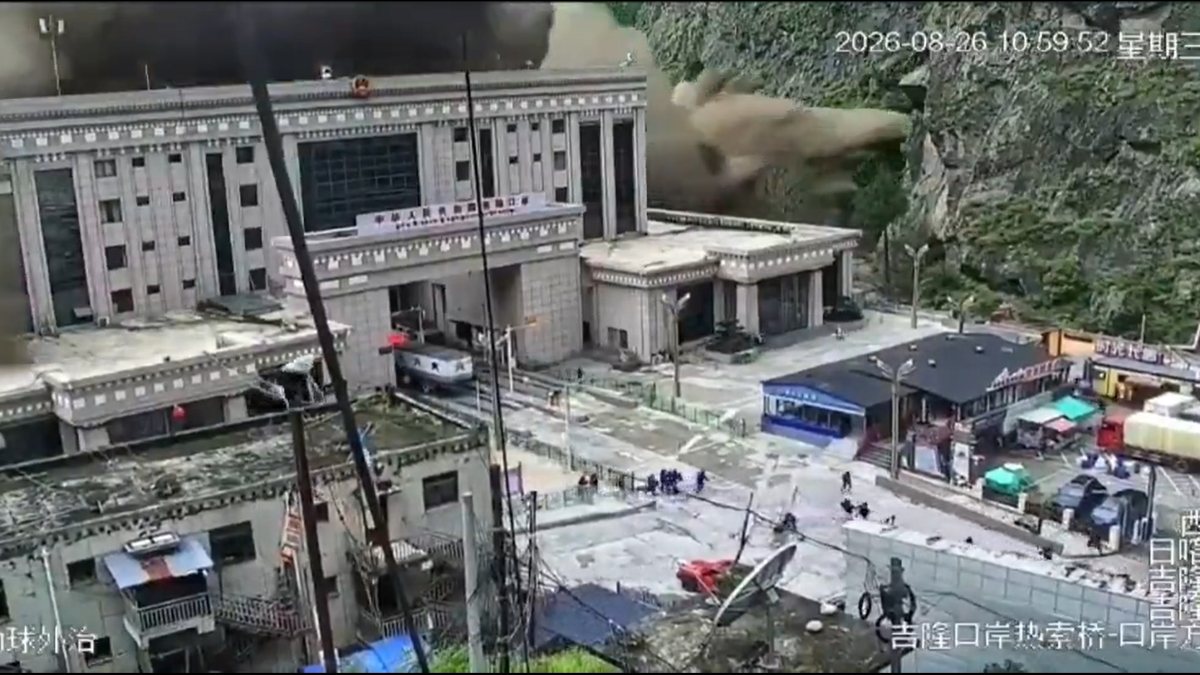
At least 1,455 people are confirmed dead following the flood disaster in Nepal on 26 August. Over 5,000 more are missing. Fourteen power stations and 38 schools were completely or partially destroyed, while 68 bridges and 42 kilometers of roadway were washed away.
“The scale of the tragedy is immense and overwhelming. This is likely the greatest disaster we have seen in the Himalayas in decades. The videos we have seen show that this is a type of event that is extremely difficult to predict or issue warnings for,” says Pascal Emanuel Egli, a glaciologist and associate professor at NTNU.
Egli is an expert in geophysics and glacier hydrology. He works on numerous international projects concerning natural hazards and water resources related to permafrost, snowmelt, and glaciers.
Egli monitored the disaster in Nepal closely after the tragedy. Updates from international research colleagues arrived in his inbox several times an hour: analyses, seismic data, new satellite photos, aerial and drone imagery, and data logs from whatever monitoring equipment remains along the riverbed.
This story was originally published by The Maritime Executive. Read the full story at The Maritime Executive →
Conversation