
How component recovery and reuse can help companies navigate memory shortages
The pandemic-era semiconductor chip crisis may have faded, but it has not been replaced by stability. In 2026, supply chain disruption has become more targeted and more complex—driven by geopolitical pressures, ongoing strain around…
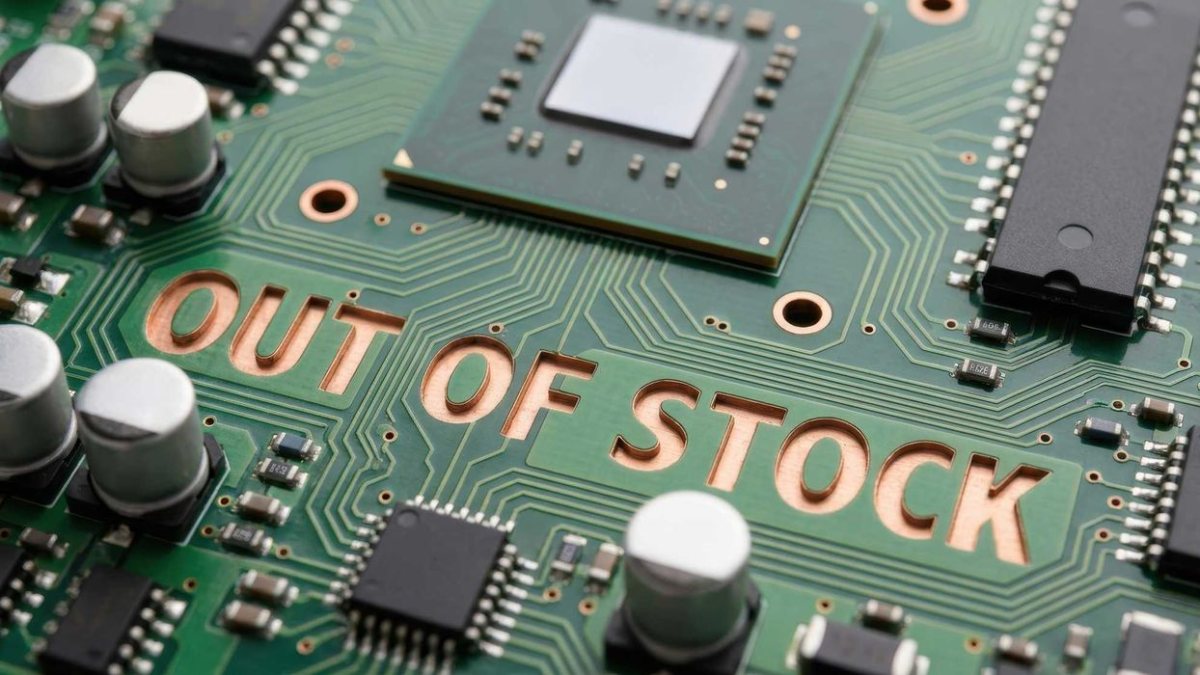
The pandemic-era semiconductor chip crisis may have faded, but it has not been replaced by stability. In 2026, supply chain disruption has become more targeted and more complex—driven by geopolitical pressures, ongoing strain around the Strait of Hormuz, and shifts in manufacturing priorities away from traditional consumer and industrial components toward high-performance technologies designed to support artificial intelligence (AI) workloads. Instead of sweeping shutdowns, companies are now navigating persistent constraints that are hard to predict and even harder to plan around.
At the center of this latest disruption is memory. Memory devices are essential to nearly every modern device, from laptops and smartphones to industrial equipment, cloud infrastructure, and data centers. When memory supply tightens, the impact quickly spreads across production schedules, pricing models, and logistics planning.
The current memory shortage is being driven in part by a reallocation of global semiconductor capacity toward memory chips that are critical for AI infrastructure. As a result, memory supply pools for traditional applications, such as PCs and consumer electronics, are being squeezed. These pressures are translating directly into longer component lead times and increased price volatility.
This story was originally published by Supply Chain Quarterly. Read the full story at Supply Chain Quarterly →



Conversation