
How warehouse and distribution operations are changing frontline workers’ perceptions on using AI
The conversation around artificial intelligence (AI) in warehouse and distribution operations has a perception challenge. It is dominated by two competing camps: executives who are sold on the technology and warehouse associates, floor leads,…
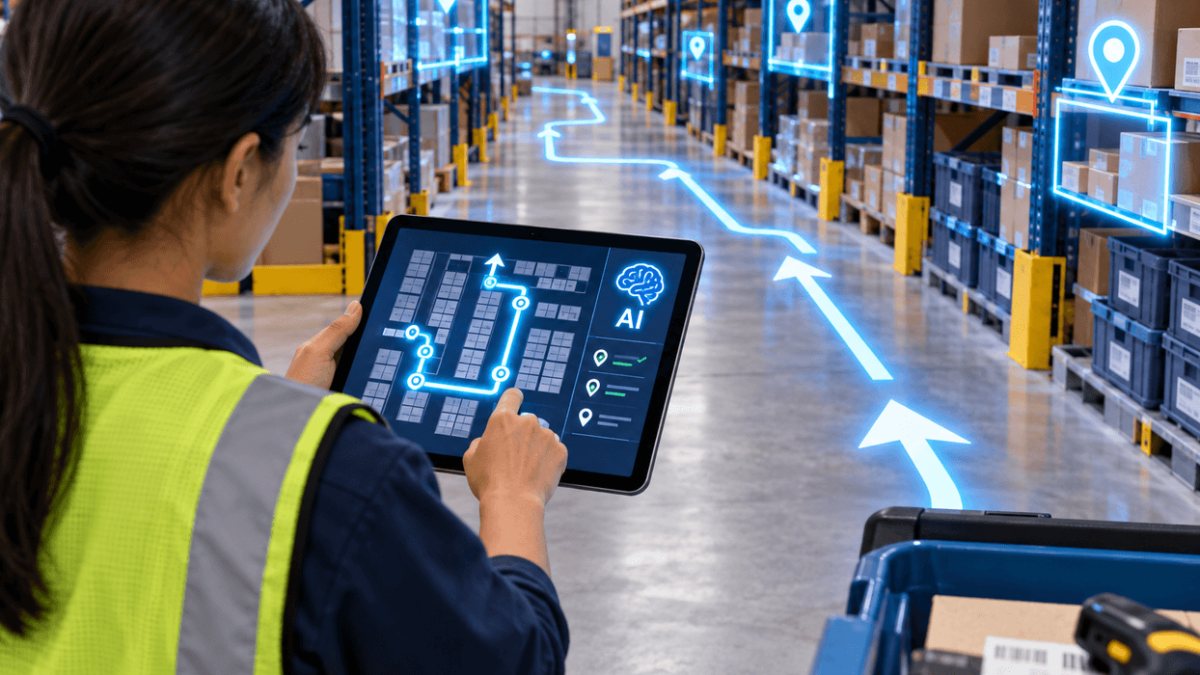
The conversation around artificial intelligence (AI) in warehouse and distribution operations has a perception challenge. It is dominated by two competing camps: executives who are sold on the technology and warehouse associates, floor leads, and distribution center (DC) managers who are wary of it. What gets lost between those two positions is the thing that actually determines whether an AI deployment succeeds or fails: the experience of the warehouse team who now need to use it every day.
The numbers tell a similar story. A 2026 PwC survey found that 89% of operations and supply chain leaders said technology investments had not fully delivered their expected results, with user adoption among the leading challenges.
Understanding resistance starts with understanding what workers are actually hearing before a new AI system arrives on the warehouse floor. A 2026 Qualtrics report found that 39% of frontline workers were excited or hopeful about AI changing their work, compared with 53% of knowledge workers. By the time a new system is introduced, many frontline workers may already have formed strong opinions about what it means for them.
This story was originally published by Supply Chain Quarterly. Read the full story at Supply Chain Quarterly →


Conversation