
Kpler and Airbus Link Up with New Ship Surveillance System
For many months now the industry has been aware of how merchant vessels are transiting the Strait of Hormuz ‘dark’, usually but not always avoiding de...
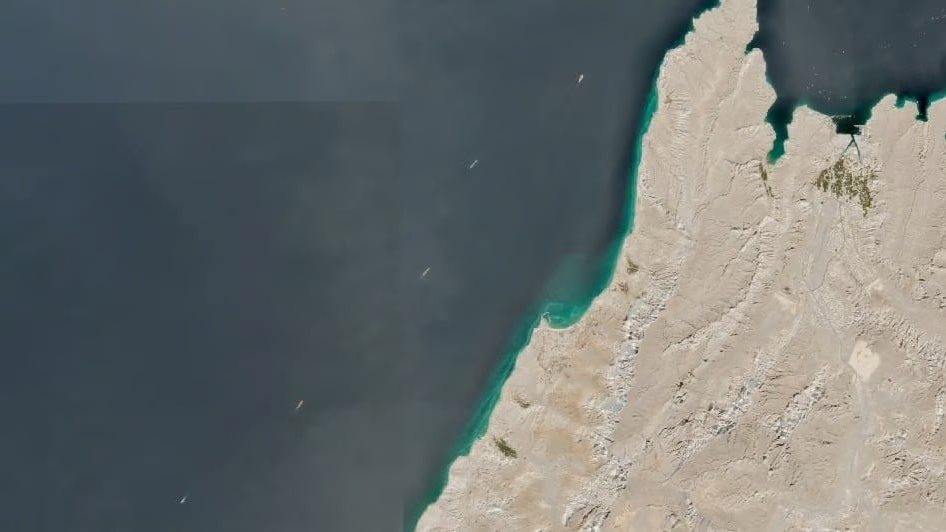
For many months now the industry has been aware of how merchant vessels are transiting the Strait of Hormuz ‘dark’, usually but not always avoiding detection and attack by Iran’s Islamic Revolutionary Guard Corps (IRGC). Publicity given to the procedures and methods employed risk further compromising the safety of merchant mariners, who are already facing risk enough from the IRGC. Estimates are that about 25 sailors have been killed by IRGC strikes on their vessels in the Strait since the war began on February 28. Five seafarers have been killed in the last 30 days in over 30 incidents, the toll paid for the steady flow of ships making the transit in both directions along the southern Omani Coastal route, notwithstanding an intensification of IRGC attacks over the period.
Ships are marshalled, protected and given course advice before navigating the Strait, but an essential part of the procedure is the guidance given to masters on how best to maintain operational security. Vessels from state-owned shipping companies making the transits will have some advantages. But all will try to hide their identity, flag, course and laden status. This has a knock-on effect, because commodity brokers and O&G traders do not necessarily get to know the volumes which are being shipped, and their ability to fix bid and offer prices is impacted accordingly.
This story was originally published by The Maritime Executive. Read the full story at The Maritime Executive →

Conversation