
LR Report Finds Alternative-Fuel Vessels Outpace Port Readiness
Alternative-fuel vessel orders are outpacing the development of the port infrastructure needed to support them, according to a new global study by Lloyd’s Register (LR)…
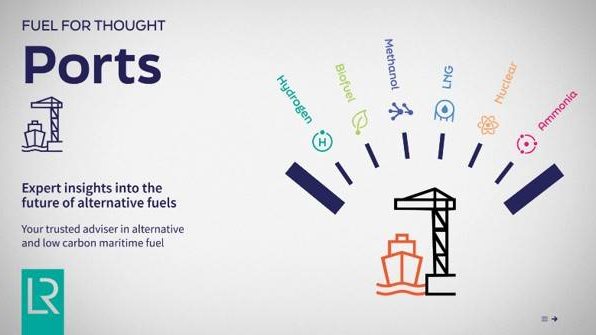
LR’s new Fuel for Thought: Ports report finds that 1,942 alternative-fuel-capable vessels were on order in January 2026, with alternative-fuel ships representing 47% of global orderbook tonnage, according to Clarksons Research. Yet readiness differs sharply by fuel: LNG bunkering was available at 222 ports, compared with just 25 actively offering methanol, while the first commercial ammonia bunkering operation, at Ulsan in South Korea, was completed only in April 2026.
The gap is particularly stark for emerging fuels. LR identified 385 methanol-capable and 45 ammonia-capable vessels on order, while the infrastructure and low-carbon fuel supply needed to serve them remains concentrated among a relatively small number of ports. Most ports pursuing ammonia remain at pilot, trial or safety-framework stage.
The report concludes that fuel choice and trade route are now inseparable, with newbuild and conversion decisions needing to reflect the availability of fuel at the ports vessels will actually use.
"The fleet is moving faster than the infrastructure needed to support it. An owner can order an alternative-fuel vessel today, but that does not mean the fuel will be available where that ship needs it. Fuel strategy and trading strategy can no longer be considered separately," said Kamran Ul Haq, Senior Vice President, LR Ports Advisory. “Ports do not need to back every fuel. They need to understand where credible demand will emerge and put the safety, regulation, skills and partnerships in place to respond. Ports that make those decisions early will be better positioned as alternative-fuel volumes grow.”
This story was originally published by Maritime Professional. Read the full story at Maritime Professional →
Conversation