
More than a checkpoint
Container gates are a key part of a terminal’s operations and they must function effectively while still contributing to maximum security and safety. They are now all the more important in an era of…
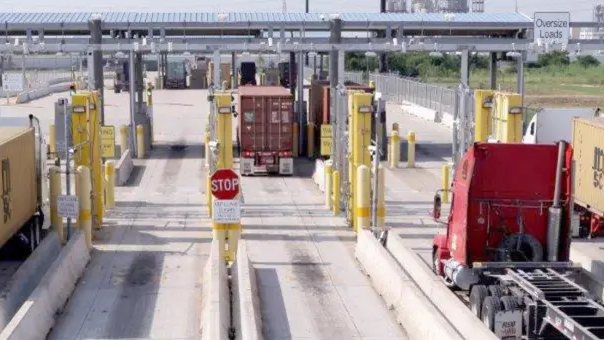
Container gates are a key part of a terminal’s operations and they must function effectively while still contributing to maximum security and safety. They are now all the more important in an era of congestion, as Dean Davison discovers
“The terminal gate is no longer just a checkpoint. It has become an intelligent operational hub where AI-powered imaging, automated transaction processing, and real-time data validation work together to improve security, efficiency, and supply chain visibility. By automating routine gate transactions while enabling remote exception management, terminals can increase throughput, reduce manual effort, enhance safety, and deliver a better experience for trucking partners,” explains Shalev Cohen, Sales & Business Development, OCR, at ABB, a global technology leader in electrification and automation.
This is a view endorsed by Mark Willemsen, Product Manager for Netherlands-based Certus Automation, which specialises in the field of OCR, image processing, and software development: “Across the container terminal industry, landside operations are becoming an increasingly important part of the automation conversation. Terminals are looking for ways to handle growing traffic peaks and volumes, make better use of existing infrastructure, and reduce congestion at the gate. The challenge is further intensified by the deployment of larger container vessels, which generate more concentrated cargo flows and put greater peak loads on yard operations. At the same time, disruptions to global supply chains, such as delays caused by events in the Strait of Hormuz, can lead to vessel bunching and unpredictable surges in truck and container volumes.”
This story was originally published by Port Strategy. Read the full story at Port Strategy →

Conversation