
Navigating the changing rules of global supply
“The operating system of globalization is in transition, it’s reorganizing,” explained Per Kristian Hong, a partner and global lead with management consulting firm Kearney, during his keynote on the first day of the Council…
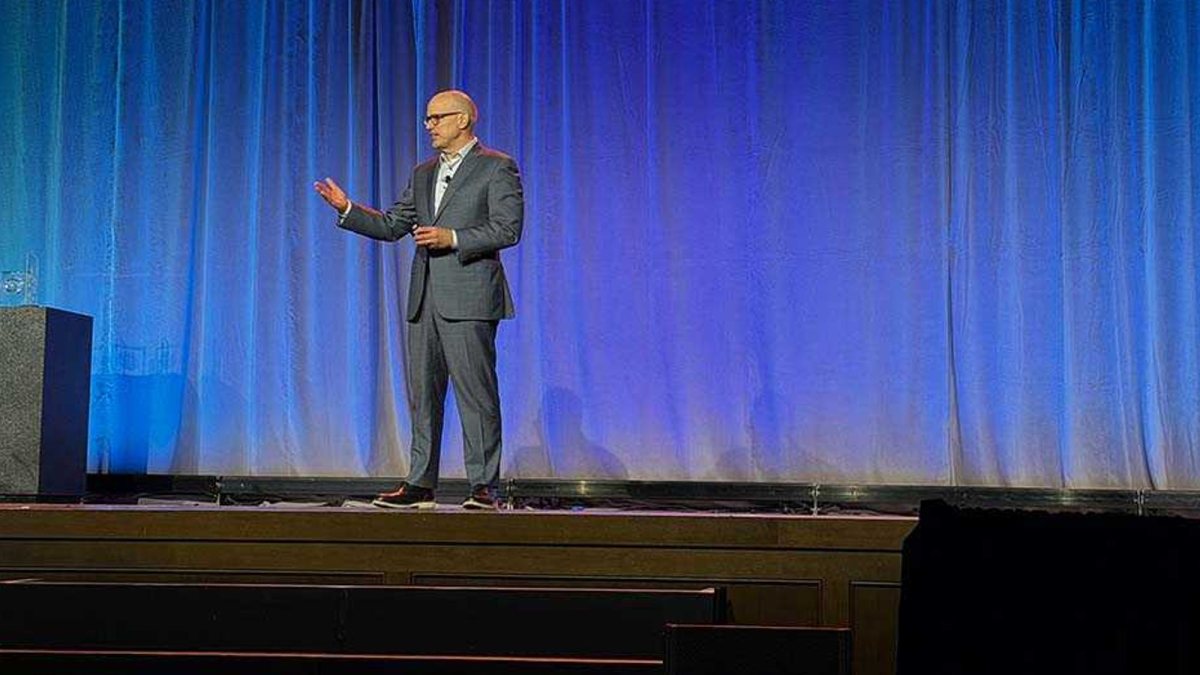
“The operating system of globalization is in transition, it’s reorganizing,” explained Per Kristian Hong, a partner and global lead with management consulting firm Kearney, during his keynote on the first day of the Council of Supply Chain Management Professionals’ (CSCMP) EDGE 2026 Conference, held this week in Nashville, Tennessee. And with this transition, Hong argues, we see the rules of global supply changing quickly—protectionism, neo-mercantilism, and other factors are reshaping where we can sell, where supply chains can build, where we can invest, and where we drive influence.
The architecture of global supply chains is shifting from the open flow of goods and integrated markets to, what Hong calls, “conditional access.” Take the Straight of Hormuz as an example. What once was an open transportation route is now conditional due to unsettled geopolitical orders. Even if the war in Iran where to end tomorrow, according to Hong, “Conditional access, once it’s imposed, doesn’t fully reset once tensions cool.”
So what can leaders do now to plan for the future? Hong shared six strategies for senior executives to consider, if they haven’t already:
If past history is any indicator, companies that anticipate change and proactively take action are the ones that come out ahead, Hong said.
This story was originally published by Supply Chain Quarterly. Read the full story at Supply Chain Quarterly →

Conversation