
New maritime rules on vehicle and battery shipments
International requirements for shipping electric vehicles, hybrid cars, and standalone battery cargoes are set to change how these goods are classified and carried by sea, with revised safety provisions becoming mandatory from January 2028.…
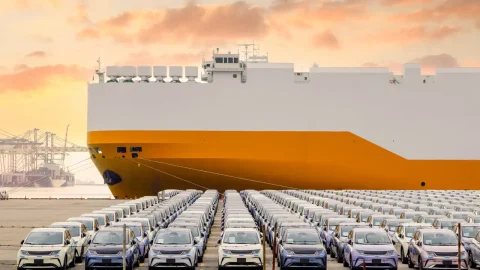
International requirements for shipping electric vehicles, hybrid cars, and standalone battery cargoes are set to change how these goods are classified and carried by sea, with revised safety provisions becoming mandatory from January 2028. The changes form part of Amendment 43-26 to the International Maritime Dangerous Goods (IMDG) Code, developed by the International Maritime Organization (IMO) to promote the safe transport of dangerous goods and prevent marine pollution.
It sets mandatory provisions under the International Convention for the Safety of Life at Sea (SOLAS). It covers requirements for individual substances and articles, including packaging, container transport, stowage and the segregation of incompatible cargoes. It is updated on a two-year cycle to reflect developments in transport and changes to international dangerous goods recommendations.
The international shipping association BIMCO has published guidance for members outlining the implications of Amendment 43-26 for vehicle shipments and battery cargoes, identifying areas that shipowners, ro-ro and other operators and logistics companies should review ahead of implementation.
Administrations can apply the amendment voluntarily, in whole or in part, from 1 January 2027, before it becomes mandatory a year later.
This story was originally published by Project Cargo Journal. Read the full story at Project Cargo Journal →


Conversation