
Next Phase Begins on Tampa Harbor Navigation Improvement Project
Port Tampa Bay’s Tampa Harbor Navigation Improvement Project is advancing, with the U.S. Army Corps of Engineers conducting a geotechnical investigation along the federal navigation channel…
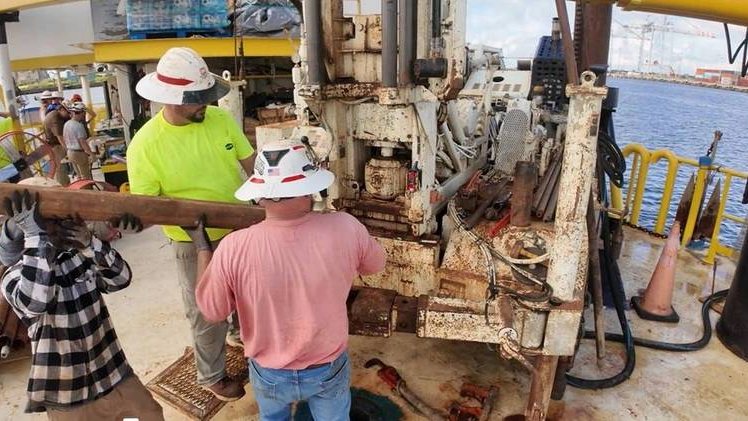
Port Tampa Bay’s Tampa Harbor Navigation Improvement Project is advancing, with the U.S. Army Corps of Engineers conducting a geotechnical investigation along the federal navigation channel.
The investigation involves drilling soil borings and collecting subsurface samples at multiple locations along the federal navigation channel to evaluate soil conditions and inform engineering and design decisions. The main navigation channel extends approximately 42 miles, and this ongoing fieldwork is an important step toward deepening the channel from 43 to 47 feet. The investigation is expected to continue through the end of the year.
Deepening the channel will allow vessels to carry more cargo per call, improving efficiency and potentially reducing the number of vessel calls needed to move the same amount of goods. This generational infrastructure project could lower transportation costs and improve the flow of goods throughout the West Central Florida region, including essential products such as fuel, construction materials, steel, automobiles and consumer goods.
The benefits extend well beyond the waterfront. The Army Corps’ General Reevaluation Report estimates that routing cargo through Port Tampa Bay rather than through another Southeastern U.S. port, followed by overland trucking to the region, could eliminate more than 17 million truck miles annually. Based on the study’s 2024 assumptions, that reduction could avoid an estimated 26,000 metric tons of carbon dioxide emissions each year, while reducing highway traffic and wear and tear on Florida’s roads. The report also estimates that the project could reduce transportation costs by approximately $90 million annually nationwide.
This story was originally published by Maritime Professional. Read the full story at Maritime Professional →
Conversation