
Oil flows through Middle East chokepoints increased in the third quarter
Collective oil shipments through key chokepoints around the Middle East increased by 19% in the third quarter of 2026 (3Q26), according to our recently published Global Energy Security Data. Oil shipments through the Strait…
Collective oil shipments through key chokepoints around the Middle East increased by 19% in the third quarter of 2026 (3Q26), according to our recently published Global Energy Security Data.
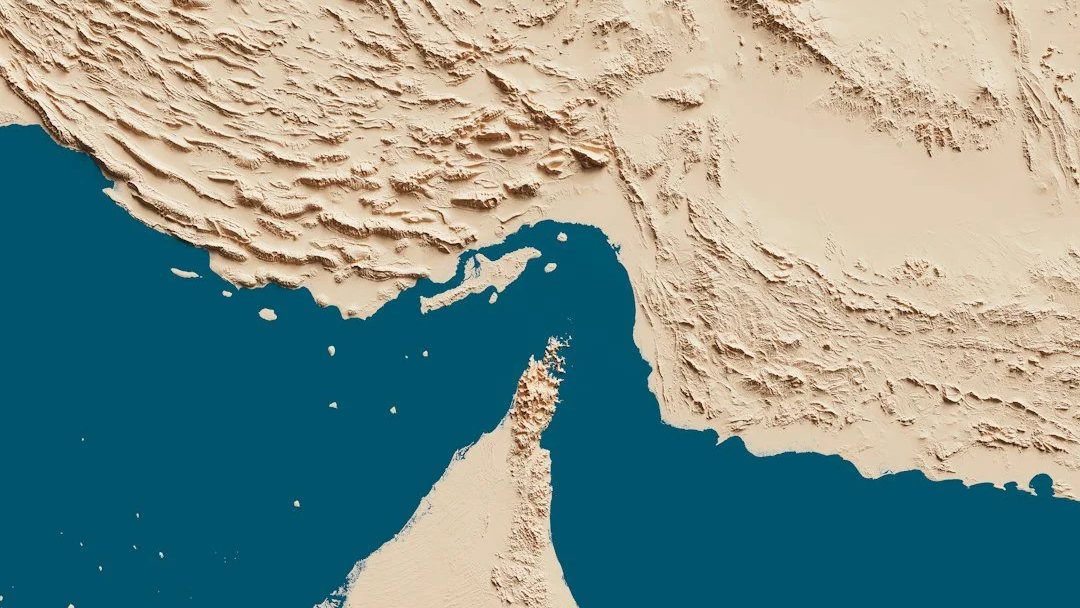
Oil shipments through the Strait of Hormuz and Suez Canal each increased while those through the Bab el-Mandeb decreased compared with the second quarter, when flows were severely constrained following the onset of the conflict with Iran. Flows around the Middle East increased because of the use of smaller ships to move oil out of the Persian Gulf for ship-to-ship transfers of crude oil onto VLCCs, and producers have maximized utilization of infrastructure to bypass the areas of highest risk. Initial shipping data from Vortexa show that shipments remained close to 3Q26 levels in October.
Data source: U.S. Energy Information Administration, Global Energy Security Data Note: Data are for total crude oil and petroleum products and are the sum of flows through the Strait of Hormuz, Bab el-Mandeb, and Suez Canal/SUMED pipeline. Data include oil originating from Middle Eastern countries and other countries. 1Q25=first quarter of 2025
We estimate that countries around the Middle East produced 23.1 million barrels per day (b/d) of crude oil in October, the most since the beginning of the conflict.
This story was originally published by Hellenic Shipping News. Read the full story at Hellenic Shipping News →
Conversation