
Rising attacks in Middle East pushes oil higher
Commodities Wrap
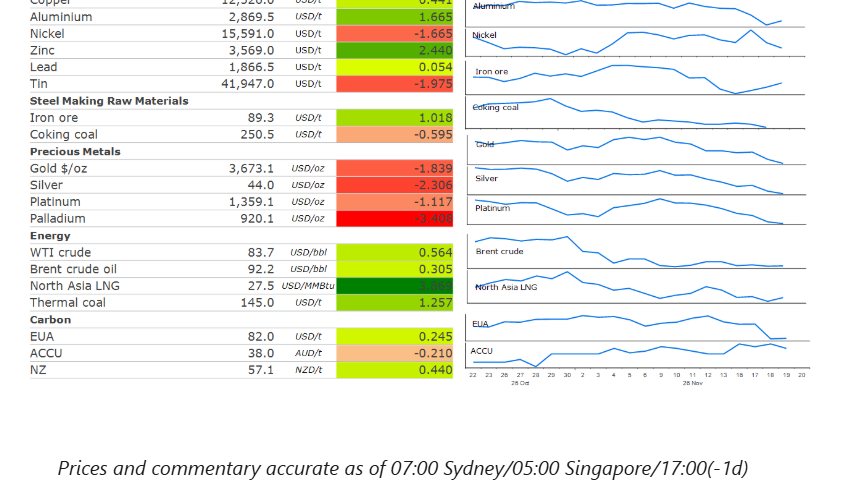
A focus on supply issues pushed commodities higher. Energy gained, as attacks in the Middle East intensified, while a stronger USD weighed on precious metals.
Copper finally found some support following a wave of selling earlier this week. The metal has lost more than 11% this month as traders unwound bullish bets. Given it has benefited from the euphoria surrounding the AI boom in recent months, the big gains on the first day of Anthropic trading on the Nasdaq exchange provided signs that investors still believe the sector has a strong outlook. This comes as the physical; market continues to flash signs of extreme tightness. The Yangshan premium, a gauge of physical market demand for imported copper in China, extended its recent surge to hit a record USD500/t. Spot prices similarly rose to a record premium against futures in Shanghai. The tightness has prompted Chinese consumers to start drawing on copper from the huge stockpile that has been built up in the US. Reports suggest logistics companies have been deluged with inquiries in the past few days from traders seeking to ship copper from the US to China. Several shipments have already been booked, according to Bloomberg. Nickel pared gains from earlier this week despite reports that Anglo America is looking to close its Brazilian ferronickel plant. The Barro Alto operation produces around 40kt/y, with most of the output finding its way to Europe. The threat of closure was triggered by a clash over the sale of assets to a Chinese owned company.
This story was originally published by Breakwave Advisors. Read the full story at Breakwave Advisors →
Conversation