
Ports could future-proof to beat box terminal congestion
In recent months, a daily review of container terminal utilisation levels has become something of a ‘must-read’ for supply chain planners seeking to understand where boxes may be delayed, and for how long. That…
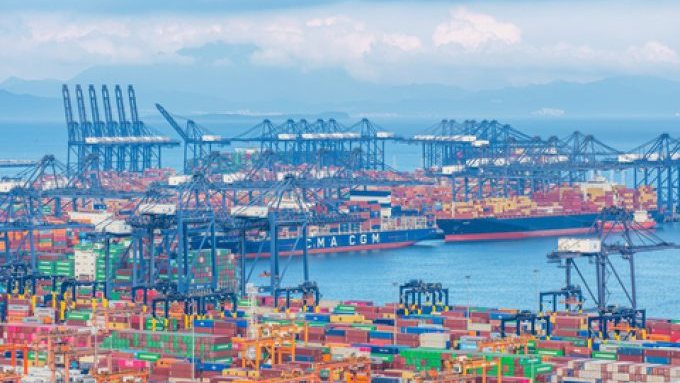
In recent months, a daily review of container terminal utilisation levels has become something of a ‘must-read’ for supply chain planners seeking to understand where boxes may be delayed, and for how long.
That remains an art rather than science, but indicates how the container shipping industry has experienced something of a paradigm shift into an era in which waves of mega-congestion ripple across the port and shipping system.
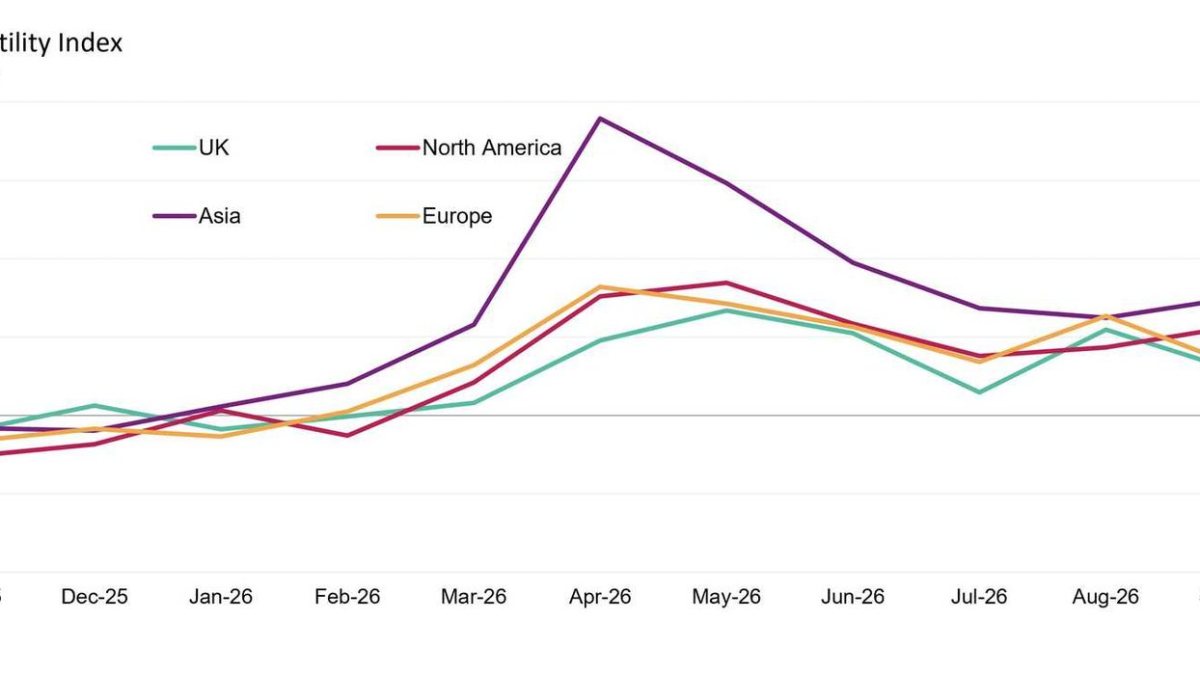
Terminal occupancy levels – ie, how many containers are sitting in a yard awaiting either a truck or loading on a vessel – continue to sit way above what these facilities were designed to handle.
A small selection from just today, as reported by Kuehne+Nagel: Tokyo AOM yard density is at 113%, up from 96%; Yokohama is above 100%; Busan’s BNCT is around 95% overall, “with laden density near 100% and heavy-discharge ships at risk of lower priority”; and Rotterdam’s ECT is at 94% yard occupancy.
This story was originally published by The Loadstar. Read the full story at The Loadstar →
Conversation