
Sea-Intelligence: NAWC Import Growth at 17.6% in September
In 2026‑Q3, North America West Coast (NAWC) ports experienced steady overall volume growth, driven almost entirely by a 17.6% Y/Y surge in laden imports in September. Following a sluggish start to the quarter, where…
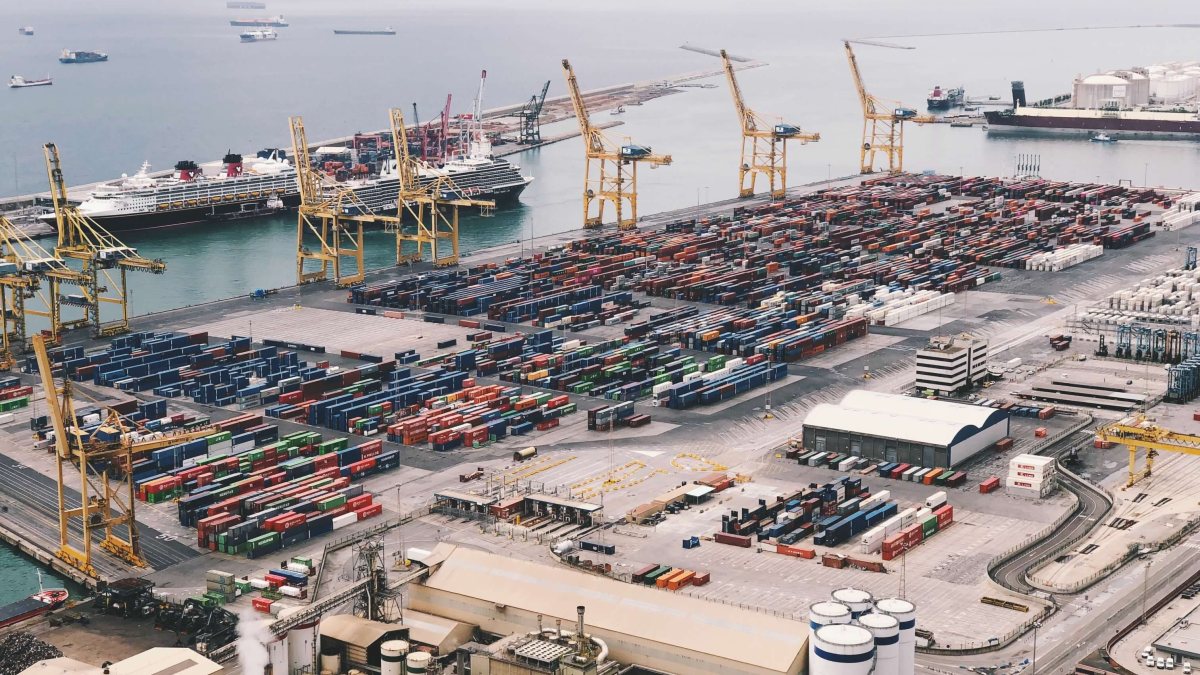
Following a sluggish start to the quarter, where laden imports contracted by ‑3.9% Y/Y in July and stabilized in August, September volumes surged to 1.45 million TEU. This double‑digit percentage growth in September is partially exaggerated by an unusually weak 2025‑Q3 baseline, when laden import growth dropped by ‑12.5 percentage points between July and September 2025. Still, 2026 marks the highest September laden import volume on record for the West Coast, eclipsing the previous high set in 2024.
Overall, for 2026-Q3, NAWC ports recorded a 2.6% Y/Y increase in total container volume throughput, bringing the aggregate volume to 8.32 million TEU for the quarter. This growth was heavily weighted towards inbound cargo, with laden imports growing by 3.9% to reach 4.12 million TEU. In contrast, outbound cargo experienced more muted growth, as laden exports increased by just 1.8% to 1.21 million TEU, and empty container exports saw a smaller increase of 1.1% Y/Y to 2.67 million TEU.
The operational impact of this highly compressed peak season has been substantial. Rather than managing a smoothed‑out influx of seasonal cargo, terminals were forced to handle an 11.3% M/M jump in laden imports from August to September, which is the highest M/M September increase across the 2012 to 2026 period. This level of sudden volatility creates acute stress on port infrastructure, chassis availability, and rail networks.
As shippers navigated this, they overwhelmingly prioritized the ports of Los Angeles and Long Beach, which captured 73% of the West Coast’s total laden imports in 2026‑Q3.
This story was originally published by Container News. Read the full story at Container News →
Conversation