
Shipping Emissions Cost The Global Economy $963 Billion Between 1990 To 2020, New Study Finds
Shipping emissions cost the global economy $963 billion between 1990 and 2020, with damages potentially exceeding the cost of decarbonisation.
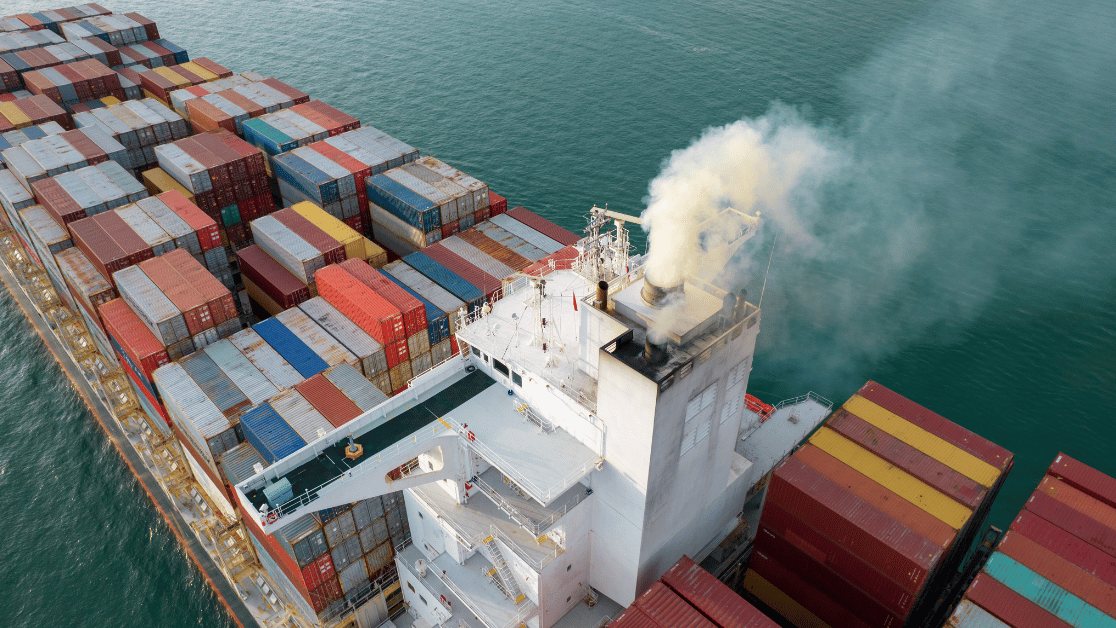
A new study by Zero Carbon Analytics finds that emissions from international shipping cost the global economy around USD 963 billion between 1990 and 2020. These economic impacts are projected to worsen with continued emissions growth if business-as-usual continues, and could outweigh the cost of action to reduce emissions in the sector.
The findings come as governments at the UN’s International Maritime Organization (IMO) resume talks on 23 November on adopting the Net-Zero Framework (NZF), a climate policy to cut emissions from ships. Opposition from some IMO member states has centred on the NZF’s implementation costs, overlooking growing negative impacts of shipping emissions on economies.
Some of the world’s biggest economies suffer the greatest absolute damages from emissions. The study finds that international shipping’s share of global emissions has caused the US USD 280.7 billion in damages, China USD 113.5 billion, and Japan USD 66.8 billion. However, the relative damage caused by emissions tends to be highest in low-income countries and in the Middle East. Damages attributable to international shipping emissions reduced the United Arab Emirates’ 2020 GDP by 0.35%, Saudi Arabia’s by 0.34%, Mali’s by 0.32%, and Burkina Faso’s by 0.3%.
The US and Middle Eastern oil-producing states are leading opponents of the NZF, citing concerns over impacts on trade, while bearing some of the highest costs of inaction on shipping emissions.
This story was originally published by Marine Insight. Read the full story at Marine Insight →

Conversation