
Singapore Is The World’s Leading Maritime City Yet Again In DNV 2026 Report
The Leading Maritime Cities (LMC) 2026 report, compiled by DNV and Menon Economics, benchmarks the world’s leading maritime cities to identify where maritime companies and professionals have the strongest environment to connect, operate and…
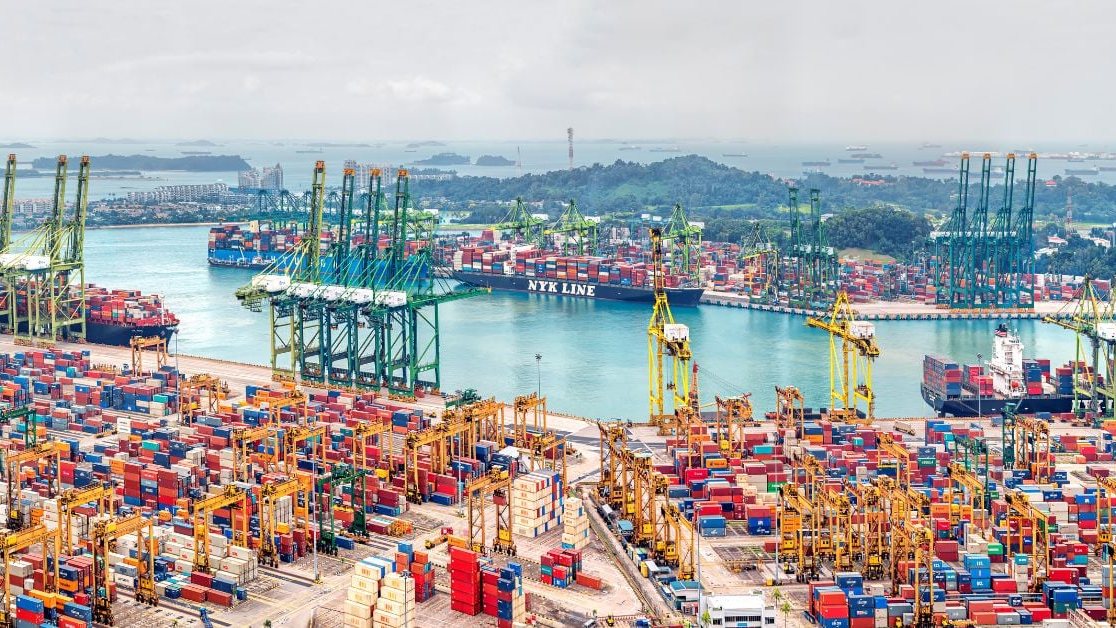
The Leading Maritime Cities (LMC) 2026 report, compiled by DNV and Menon Economics, benchmarks the world’s leading maritime cities to identify where maritime companies and professionals have the strongest environment to connect, operate and grow.
The report assesses cities across five pillars: Shipping, Maritime Finance and Law, Maritime Technology, Ports and Logistics, and Attractiveness and Competitiveness. Together, these provide a broad view of the capabilities and conditions that shape a city’s position in the global maritime industry.
Now in its seventh edition, the report has evolved from benchmarking where maritime activity is concentrated to assessing which cities are best positioned to combine maritime scale with the capacity to adapt to changing industry conditions. The 2026 edition introduces new and updated indicators, with greater emphasis on cities’ ability to respond to changing industry conditions, with new measures covering the energy transition as well as broader changes in technology, talent, and resilience.
Across the five pillars, there is no single model for maritime leadership. Cities compete from different positions, reflecting the roles they play in the global maritime industry. The strongest maritime cities bring together infrastructure, commercial decision-making, specialist services, technology and talent to create a connected and competitive maritime cluster.
This story was originally published by Marine Insight. Read the full story at Marine Insight →
Conversation