
Six workforce strategies to make supply chain acquisitions work
Acquisitions are the ultimate test of company culture and workforce development. Consider a scenario in which a supply chain services provider assumes a customer's warehousing and fulfillment operations. To succeed, the provider must quickly…
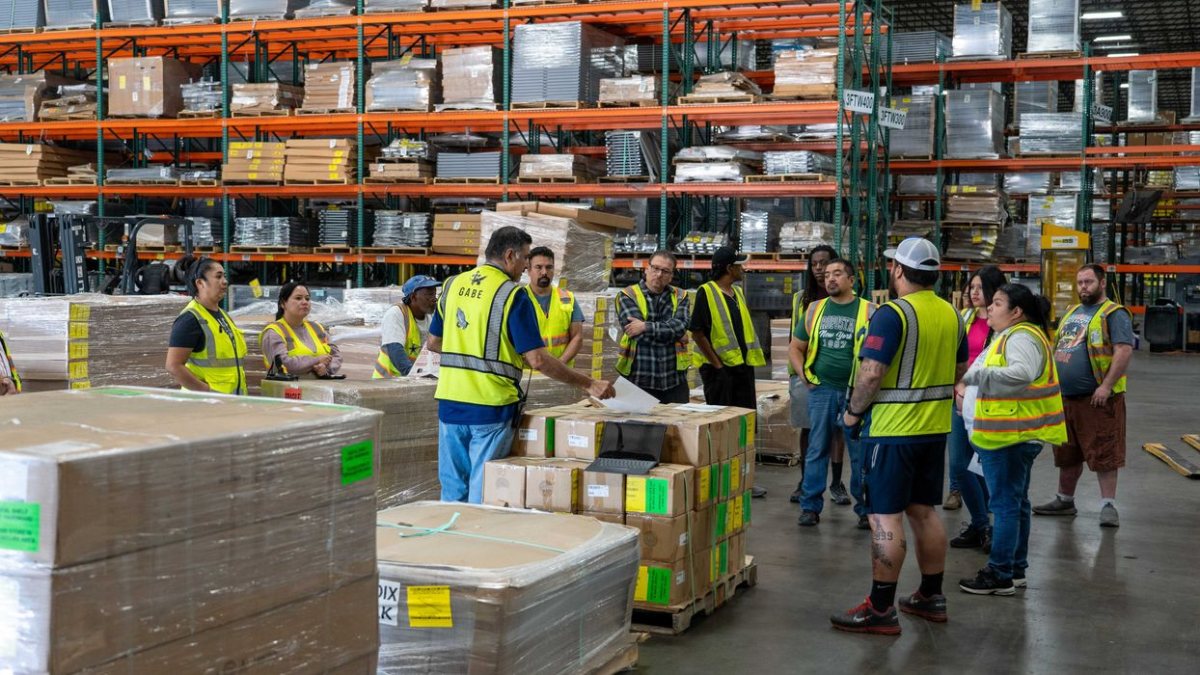
Consider a scenario in which a supply chain services provider assumes a customer's warehousing and fulfillment operations. To succeed, the provider must quickly transfer its culture, processes, and expertise across all new sites. Not everything can change on day one, but time is of the essence.
Such was the case when our organization recently assumed responsibility for 17 warehouses supporting a major retailer's supply chain for fixtures and goods not for resale (GNFR). The retailer outsourced these warehouses to us to reduce costs and leverage external expertise, allowing its teams to focus on strategic priorities, including right-sizing procurement and inventory management.
The workforce had to undergo significant changes, including learning a new organizational structure, leadership philosophy and culture, policies, processes, and operating practices. It was also our first acquisition of this type and our largest project to date. The lessons we learned from this experience have helped us answer an important question: How do you scale a successful culture across multiple locations and a new workforce?
Warehousing and fulfillment operations are complex and dynamic. Transitions rarely go as planned. Conditions change, priorities compete, decisions shift, and new discoveries are made. With this in mind, we identified potential disruption risks and assigned owners to address each one.
This story was originally published by Supply Chain Quarterly. Read the full story at Supply Chain Quarterly →


Conversation