
Study: Connecting Great Lakes, Inland Waterways Could Deliver Millions in Freight Savings
A new study commissioned by the American Great Lakes Ports Association (AGLPA) identifies opportunities to expand freight movements between the Great Lakes and U.S. inland waterways, potentially delivering millions of dollars in transportation…
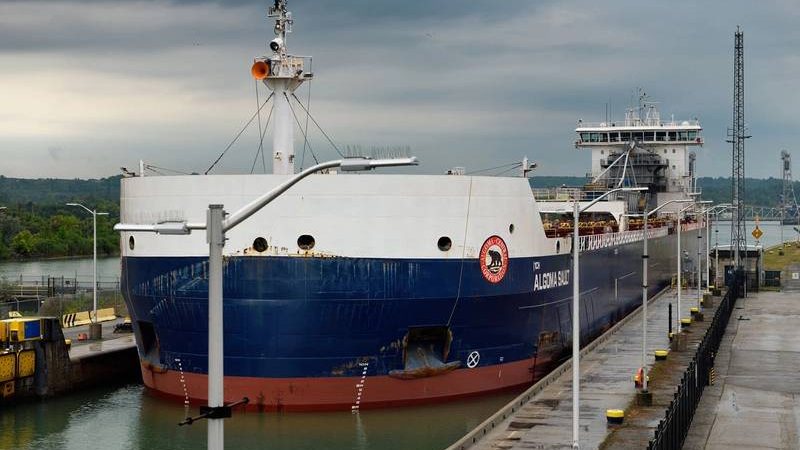
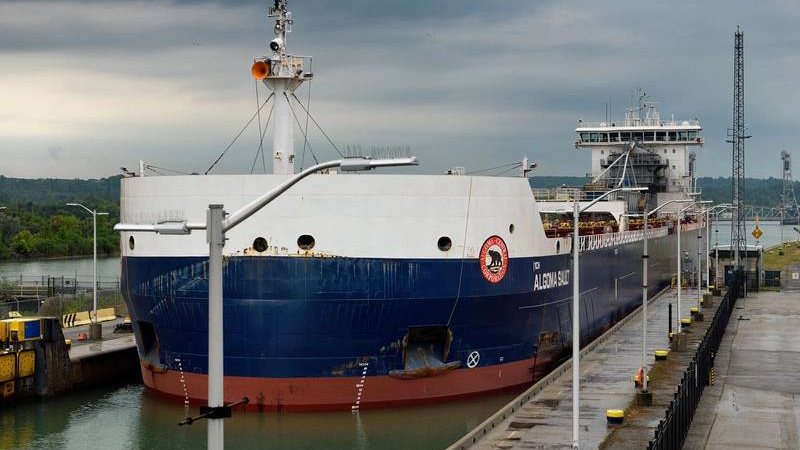
A new study commissioned by the American Great Lakes Ports Association (AGLPA) identifies opportunities to expand freight movements between the Great Lakes and U.S. inland waterways, potentially delivering millions of dollars in transportation savings while improving supply chain flexibility and making better use of existing maritime infrastructure. Released November 17, The Great Freight Connection, prepared by transportation consultancy CPCS Transcom Inc., examines existing freight movements between the two systems and evaluates four potential trade corridors involving Port Milwaukee, Ports of Indiana–Burns Harbor and the Illinois International Port District. The findings reveal a significant disconnect between two of America's most important freight networks. In 2023, more than 138 million tons of cargo moved on the Great Lakes and Illinois Waterway systems, yet less than 1% of outbound Great Lakes tonnage moved to the Illinois Waterway. Conversely, approximately 5% of outbound Illinois Waterway cargo moved toward the Great Lakes. Despite their physical connection through Chicago, the systems largely function as separate freight networks.
This story was originally published by MarineLink. Read the full story at MarineLink →

Conversation