
Supply Chain Vulnerability
On the sidelines of the 81st United Nations General Assembly, officials from Qatar held an economic forum.Qatar's Prime Minister and Minister of Forei...
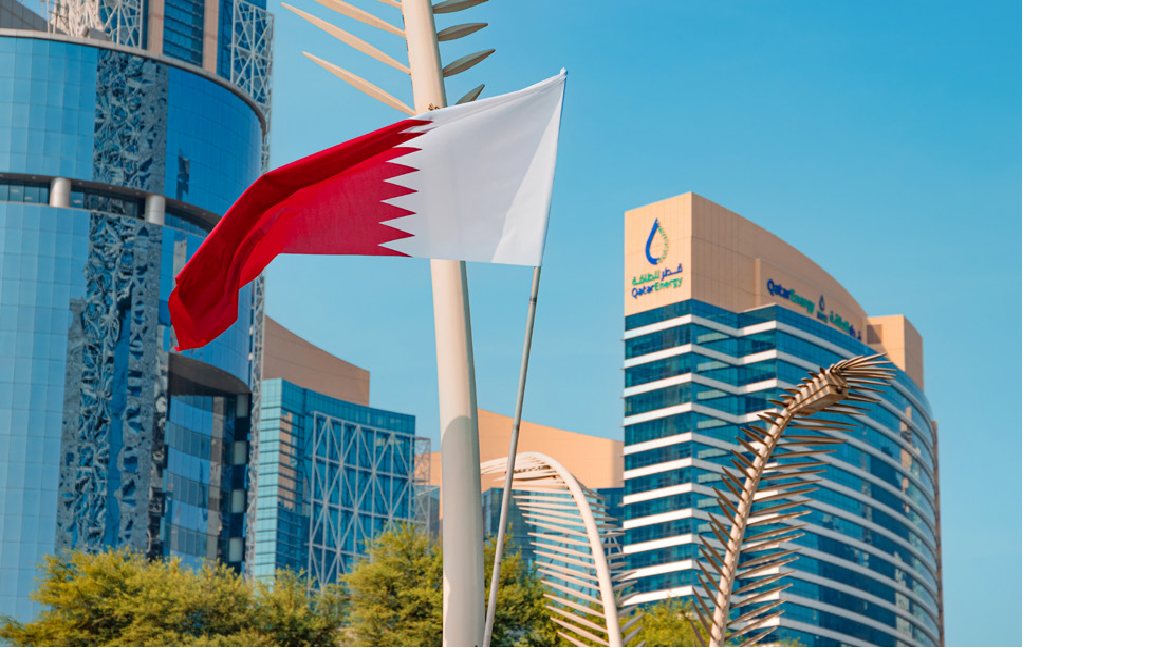
On the sidelines of the 81st United Nations General Assembly, officials from Qatar held an economic forum.
Qatar's Prime Minister and Minister of Foreign Affairs, Sheik Mohammed bin Abdulrahman Al Thani, opened the session and described the recent escalation in the Persian Gulf war as an "earthquake" that sent shockwaves through global security, maritime routes and energy supply chains. A major impact has been on Qatar's LNG production and shipments as well as its future expansion plans.
Entering 2026, Qatar was the third-largest LNG exporter with a capacity of 77 million tons per annum, trailing the U.S. with 102 mtpa and Australia with 88 mtpa. However, Qatar has the most aggressive export expansion program with plans to double its capacity to 142 mtpa by 2030. The U.S. also has an aggressive LNG export plan that will boost output to 125 mtpa in 2029 and potentially to 163 mtpa in 2031 if all proposed projects are built.
The war in Iran has delayed Qatar's expansion plans, and attacks on facilities at Ras Laffan have cut its LNG export capacity. Furthermore, Qatar's ability to ship LNG cargoes is limited by the closure of the Strait of Hormuz to all ship traffic due to attacks on vessels attempting to transit the Strait.
This story was originally published by The Maritime Executive. Read the full story at The Maritime Executive →
Conversation