
Tankers Continue to Burn in the Middle East Despite Hopes for De-escalation
Despite market bets on a de-escalation in the Iran war, new evidence has emerged in recent days of strikes on tankers in the Strait of Hormuz and on energy infrastructure in the Middle East.
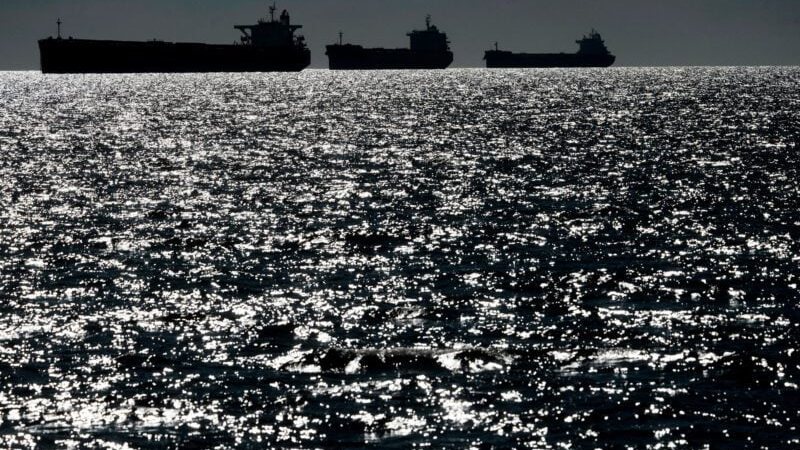
Russia's shadow fleet vessels wait in the unofficial anchorage area in the Gulf of Finland near Vaindloo, Estonia April 10, 2026. REUTERS/Ints Kalnins
(Reuters) – Despite market bets on a de-escalation in the Iran war, new evidence has emerged in recent days of strikes on tankers in the Strait of Hormuz and on energy infrastructure in the Middle East.
On Tuesday, crude prices hit two-month lows after US officials downplayed the need for additional military action against Iran, with analysts noting President Donald Trump’s more conciliatory tone since the Republicans’ defeat in the November 3 midterm elections.
However, there is little sign of attacks abating in November, after 37 ships were attacked in October, the highest monthly total since the start of the war, according to data from the Washington Institute for Near East Policy.
This story was originally published by gCaptain. Read the full story at gCaptain →

Conversation