
The challenges of adopting AI in physical supply chains
AI agents are easy. But production-grade systems in the real world are hard, according to Tim Spencer, co-founder of AI procurement company Didero. Spencer led a session at EDGE 2026 this week titled “The…
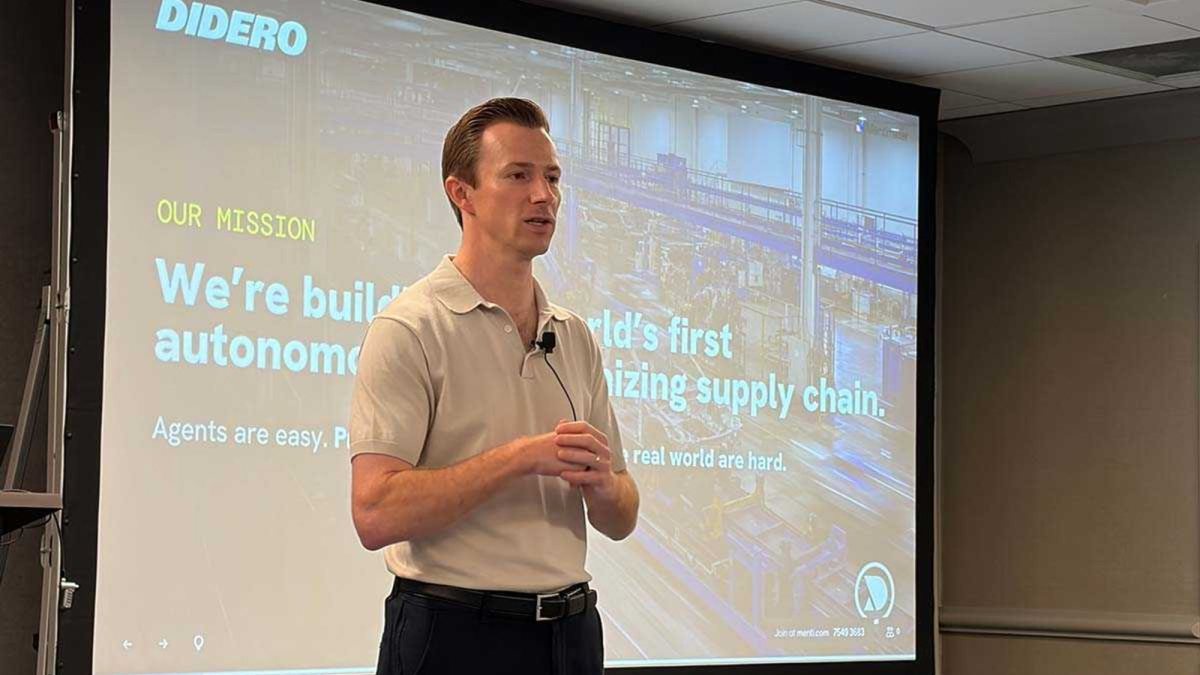
AI agents are easy. But production-grade systems in the real world are hard, according to Tim Spencer, co-founder of AI procurement company Didero. Spencer led a session at EDGE 2026 this week titled “The Unique Challenges of Physical Supply Chains for Agentic AI.”
He said that about half of a supply chain team’s time is spent on manual work that has the potential to be automated. However, problems exist in automating physical supply chains that keep moving and evolving.
Supply chains are different, he said. They are complex and unpredictable, with data scattered in a variety of systems and locations. Most products that are distributed may have ten or more touch points.
Spencer outlined some of the obstacles in putting AI agents to work, including data quality, capacity, and labor availability. “Most people are aware of AI agents, but have not yet used them,” he said.
This story was originally published by Supply Chain Quarterly. Read the full story at Supply Chain Quarterly →


Conversation