
The Economics of an Idle Trailer: Where Logistics Profits Disappear
A trailer backs into the right distribution center at the right time, and then nothing happens. The driver waits. The dock assignment changes. A switcher searches the yard for an outbound unit that the…
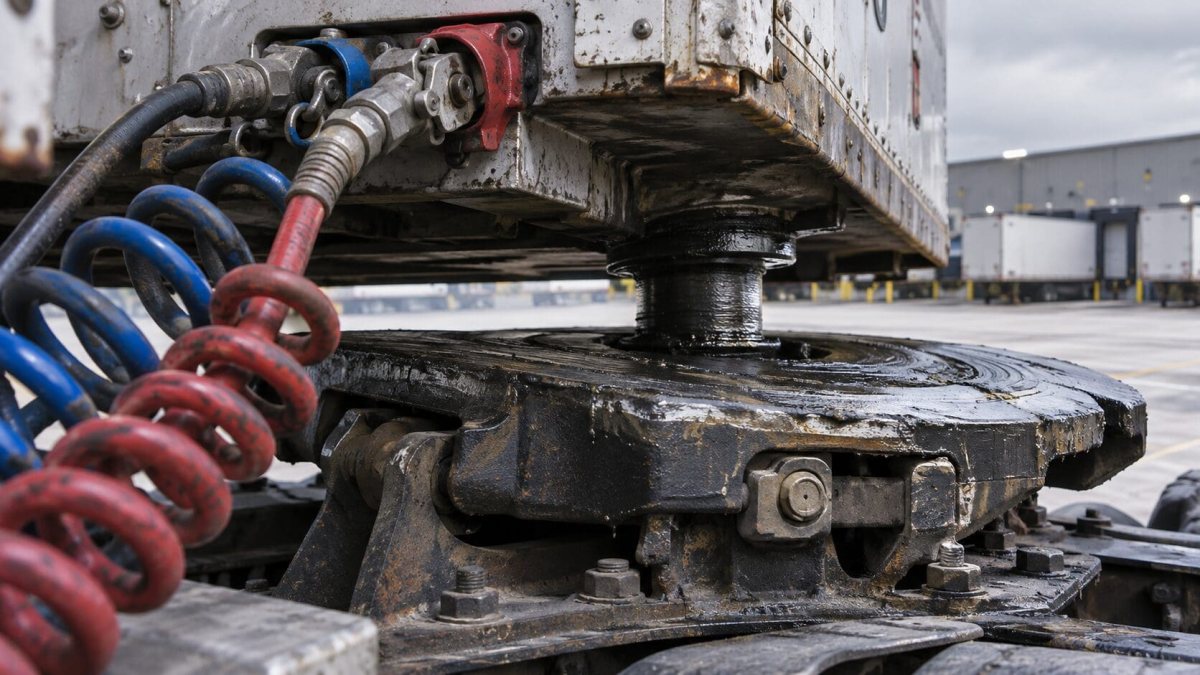
A trailer backs into the right distribution center at the right time, and then nothing happens. The driver waits. The dock assignment changes. A switcher searches the yard for an outbound unit that the system insists is already at a door. Somewhere else, a warehouse crew is ready to load a trailer it cannot find. Each delay looks small when considered on its own. Across a large network, they add up to a significant operating expense—and they reveal a weakness in how logistics productivity is measured.
We have become very good at optimizing freight that is moving. Transportation management systems select carriers and routes, warehouse management systems sequence work, and visibility platforms report shipment progress. Yet the handoff between a truck’s arrival and its eventual departure remains a surprisingly stubborn source of cost. The issue is not simply detention fees. It is the productive capacity of drivers, trailers, docks, labor, and yard equipment that disappears while everyone waits for the next decision.
The American Transportation Research Institute’s study of detention, using 2023 data and published in 2024, estimated $3.6 billion in direct industry expenses and $11.5 billion in lost productivity. It calculated more than 135 million hours of detention. These figures cannot be added indiscriminately to every shipper’s freight bill: they measure different consequences across the trucking industry, and the report also finds that fewer than half of detention fees were paid. But they do show why a narrow focus on invoice disputes misses much of the underlying economic problem.
This story was originally published by Logistics Viewpoints. Read the full story at Logistics Viewpoints →

Conversation