
The Future of Maritime Safety: Navigating the Polar Frontier’s Uncharted Waters and Hidden Hazards
The Arctic and Antarctic are increasingly becoming areas of convergence for maritime industries and government operations. Commercial shipping, offshore energy, expedition cruising, recreational yachting, scientific research, coast guard, and naval...
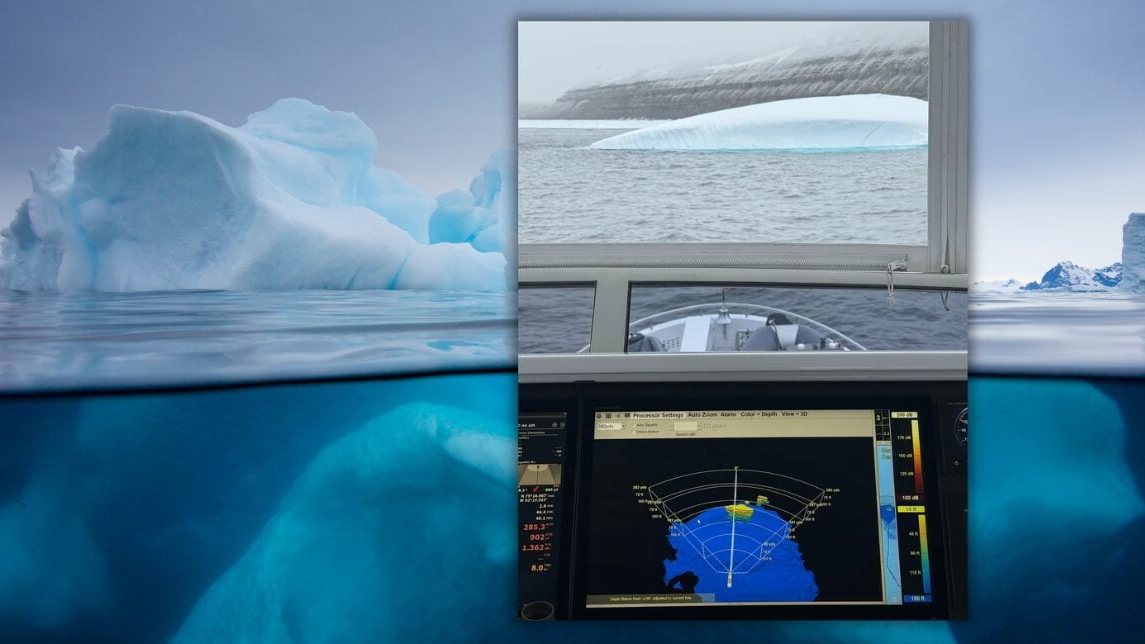
The Arctic and Antarctic are increasingly becoming areas of convergence for maritime industries and government operations. Commercial shipping, offshore energy, expedition cruising, recreational yachting, scientific research, coast guard, and naval operations are all placing greater attention on these remote regions. For some, polar waters offer access to untapped natural resources and emerging shipping routes. For others, they provide opportunities for exploration, scientific discovery, and strategic operations in areas of growing geopolitical importance.
But operating in these environments presents a unique set of challenges. Extreme weather, floating ice, limited infrastructure, and vast distances from support resources compound the risks associated with maritime operations. Even routine navigational decisions can carry significantly greater consequences when rescue capabilities and emergency response resources are hours or days away. Furthermore, the environmental sensitivity of these regions means that groundings, collisions, and pollution incidents can have lasting consequences.
Understanding the environment above and below the waterline is critical to navigating these unforgiving waters. While radar, electronic charts, and other conventional navigation systems remain essential tools, they cannot always provide a complete picture of the hazards that lie ahead. In regions where chart data is sparse, satellite positioning can be degraded, and submerged hazards remain hidden from view, real-time underwater perception becomes an important part of safe vessel operations.
This story was originally published by gCaptain. Read the full story at gCaptain →


Conversation