
The Future of TMS: From Transportation Planning to Intelligent Execution
The Future of TMS: From Transportation Planning to Intelligent Execution should not be read as a prediction that the current category disappears. The more likely future is that its core responsibilities remain while the…
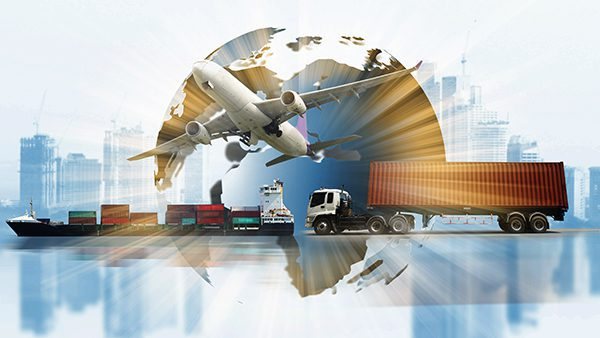
TMS is unlikely to disappear; its core responsibilities are more likely to expand into a more continuous, connected, intelligent, and selectively autonomous execution model. The category’s future is therefore less about replacement than about how transportation execution is re-architected around real-time state and decisions.
TMS is moving from periodic planning and transaction execution toward continuous transportation management, where plans are refreshed as orders, capacity, service risk, and operating constraints change That shift requires systems to understand not only what transaction was completed but what the current state means for the next decision. Events become inputs to a continuously refreshed operating model. That trajectory follows the discipline in Engineer AI Into the Decision: intelligent transportation execution requires optimization and AI to be connected to explicit decision rights and executable workflows.
AI will be most useful where it can assemble context, interpret unstructured information, identify patterns, generate options, and support repetitive multi-step work. Optimization, rules, and traditional algorithms remain essential where constraints and feasible tradeoffs are mathematically explicit. The strongest architectures will combine these methods rather than treating one model as universal.
Routine decisions involving a tender rejection, a late pickup, a new order after the plan is built, a capacity shortfall, a missed delivery window, or a warehouse constraint that makes the transportation plan infeasible can increasingly be prepared or executed automatically when policy, data confidence, financial exposure, and customer impact remain inside defined limits. Higher-consequence or ambiguous situations should continue to escalate to people. The design target is appropriate autonomy, not maximum autonomy.
This story was originally published by Logistics Viewpoints. Read the full story at Logistics Viewpoints →

Conversation