
The Systems-Engineered Logistics Operation: From Transformation Projects to Continuous Design
For years, logistics transformation has been organized as a succession of projects. Implement the platform. Build the control tower. Automate the facility. Add the AI layer. The problem is that logistics no longer changes…
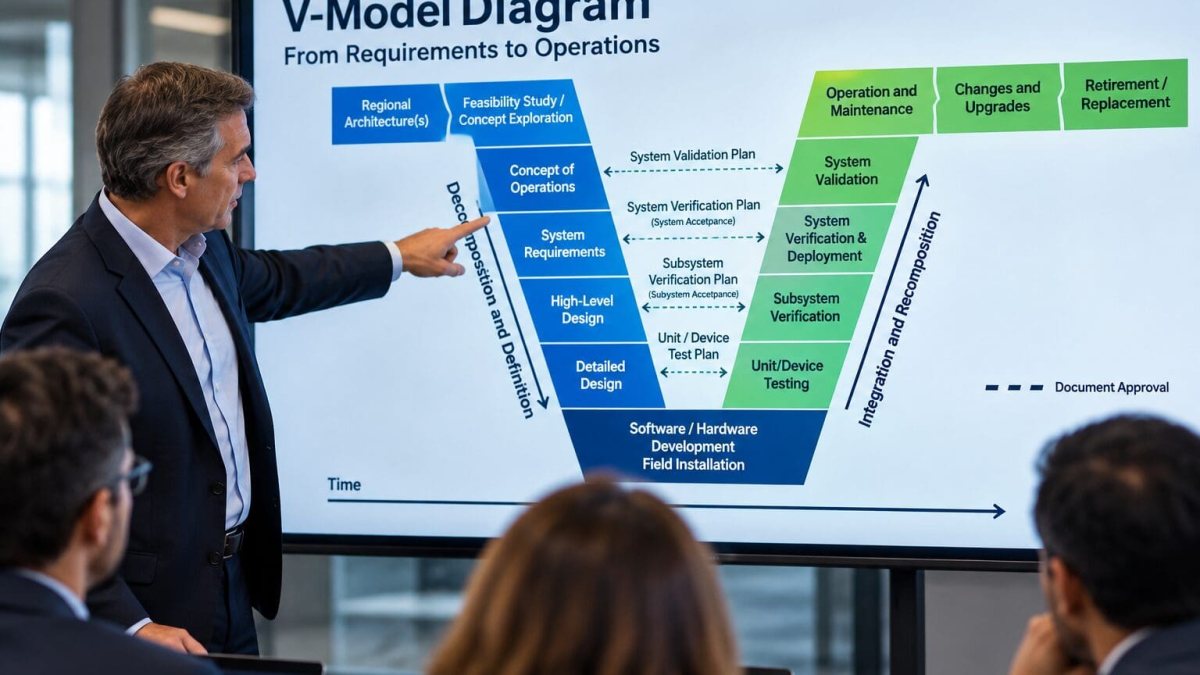
For years, logistics transformation has been organized as a succession of projects. Implement the platform. Build the control tower. Automate the facility. Add the AI layer. The problem is that logistics no longer changes on a project cadence.
That environment is disappearing. The future logistics will need to be designed continuously. The Autonomous Logistics Network is one expression of this end state, but reaching it requires continuous design rather than a one-time transformation project.
Modern logistics networks are becoming integrated combinations of physical assets, software, data, optimization, AI, robotics, people, partners, and automated decisions. Calling this a technology stack understates what is happening.
It is an operating system. The important design questions are no longer confined to which applications a company owns. Leaders have to consider how decisions flow, how data maintain continuity across systems, how automation interacts with people, how models are governed, how exceptions escalate, and how the organization behaves when components fail.
This story was originally published by Logistics Viewpoints. Read the full story at Logistics Viewpoints →

Conversation