
Walmart and Symbotic: When Warehouse Automation Becomes a Network Strategy
Warehouse automation has traditionally been discussed one facility at a time. A retailer installs an automated storage system, deploys mobile robots, adds robotic picking, or upgrades sortation. The business case is then measured against…
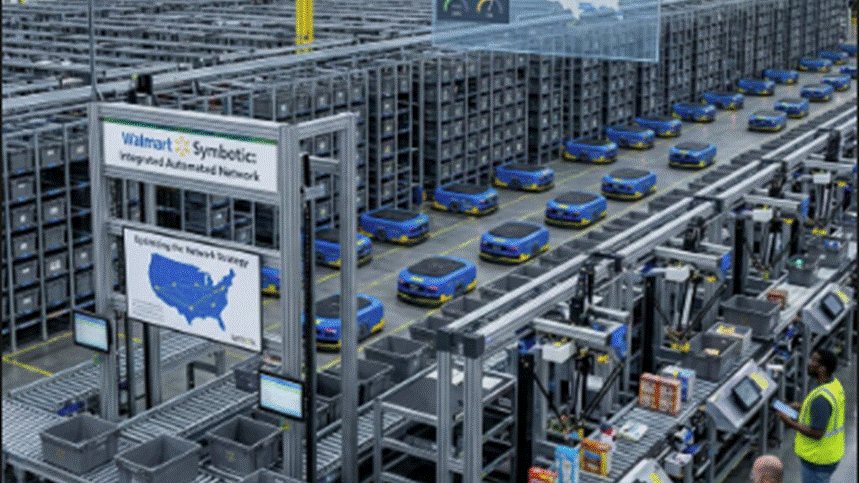
Warehouse automation has traditionally been discussed one facility at a time. A retailer installs an automated storage system, deploys mobile robots, adds robotic picking, or upgrades sortation. The business case is then measured against improvements within that particular building. Walmart and Symbotic are beginning to challenge that way of thinking.
On October 29, Walmart and Symbotic announced an expanded commercial agreement that will bring additional automation capabilities to 25 U.S. regional distribution centers. The agreement includes an initial commitment of approximately $6 billion, covering work over several years and multiple locations. Walmart says the initiative is intended to support upstream e-commerce inventory management, increase storage capacity, and improve the movement of products through its supply chain. Those numbers make the announcement noteworthy. But the more interesting story is what the scale of the commitment says about the next phase of warehouse automation.
For years, warehouse automation investments were frequently justified around specific bottlenecks: reduced picker travel, increase storage density, improve sortation throughput, or offset labor requirements. Those are still important objectives. But Walmart is evaluating automation against something larger: the performance of an interconnected distribution network supporting stores, pickup and home delivery.
Rob Montgomery, executive vice president for Walmart U.S. Supply Chain Operations, tied the expanded agreement to improving service, growing capacity, simplifying work for associates and lowering costs. The company also expects the expansion to support broader assortment, greater speed and more reliable replenishment. That distinction matters.
This story was originally published by Logistics Viewpoints. Read the full story at Logistics Viewpoints →
Conversation