
The Three-Hour Cyberattack: AI Is Turning Supply Chain Security into an Execution Problem
The FBI, Microsoft, and Google are now documenting a significant change in the cybersecurity threat landscape, one in which autonomous artificial intelligence is allowing attackers to identify vulnerabilities, exploit trusted digital relationships, and penetrate…
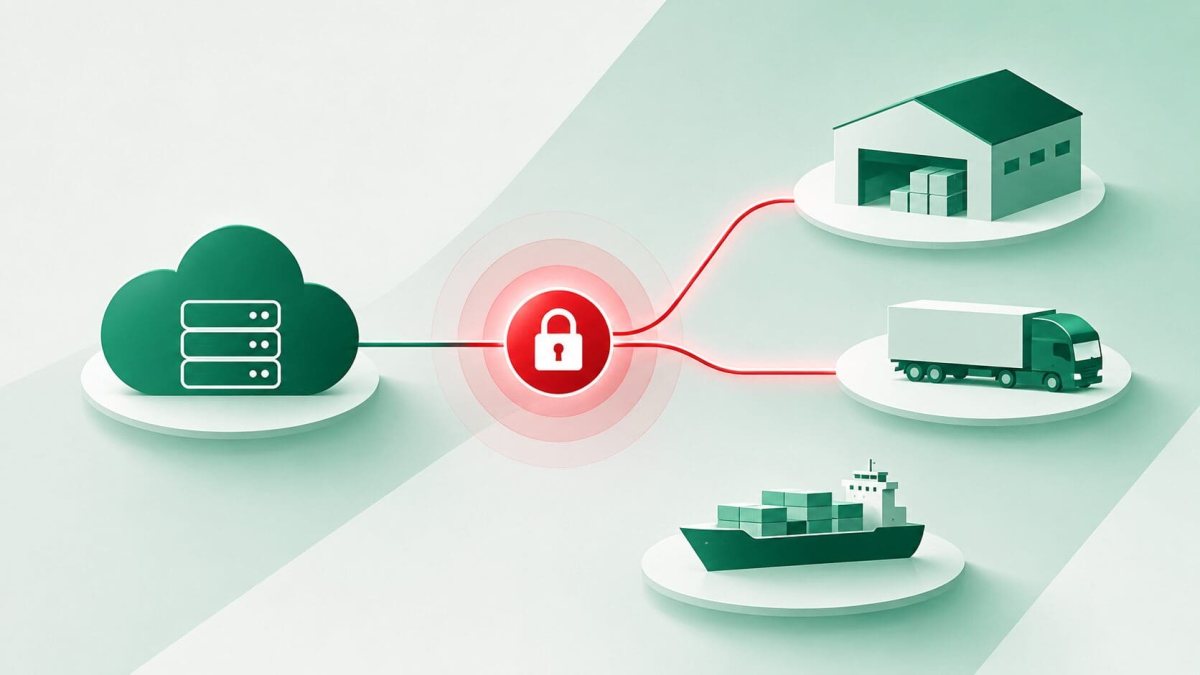
The FBI, Microsoft, and Google are now documenting a significant change in the cybersecurity threat landscape, one in which autonomous artificial intelligence is allowing attackers to identify vulnerabilities, exploit trusted digital relationships, and penetrate enterprise systems at speeds that conventional security processes may struggle to match.
The implications for supply chain and logistics organizations extend well beyond the protection of corporate information. Transportation management, warehouse execution, procurement, and inventory systems increasingly depend on continuous connectivity with external applications and trading partners, creating an environment in which a compromised digital identity or software integration can threaten the flow of operational information across multiple organizations.
The central question is no longer simply whether enterprises can detect cyberattacks. It is whether they can identify, contain, and recover from intrusions quickly enough to maintain operations when attackers are increasingly capable of acting at machine speed.
In a November 13 FLASH advisory, the FBI warned that cybercriminals and state-aligned threat actors are exploiting ARTEX, an autonomous penetration testing framework powered by large language models, to automate multiple stages of cyber intrusions. Originally designed for legitimate security assessments, the framework can coordinate reconnaissance, vulnerability identification, exploitation, and other activities that traditionally required substantial technical expertise and human intervention.
This story was originally published by Logistics Viewpoints. Read the full story at Logistics Viewpoints →



Conversation