
Two Supply Lines, One Terminal: 12 Sanctioned Tankers at the Houthi-Controlled Ras Issa
Between September 16 and November 7, 2026, Windward MIOC identified 12 sanctioned tankers delivering fuel to Ras Issa, the Houthi-controlled oil terminal on Yemen’s Red Sea coast, together carrying an estimated 3.26 million barrels.…
Between September 16 and November 7, 2026, Windward MIOC identified 12 sanctioned tankers delivering fuel to Ras Issa, the Houthi-controlled oil terminal on Yemen’s Red Sea coast, together carrying an estimated 3.26 million barrels. Eleven of the twelve had their AIS switched off when Windward found them. Five broadcast false positions ranging from 80 to 2,800 nautical miles away. All 12 were already sanctioned. Eleven of them carry U.S. designations.
Tracing the cargo back from the terminal, Windward found two distinct supply lines, one carrying Russian diesel and other fuels south through the Suez Canal, and one carrying Iranian-origin cargo out of the Middle East Gulf. This brief sets out what Windward identified across each supply line and how the tankers concealed themselves.
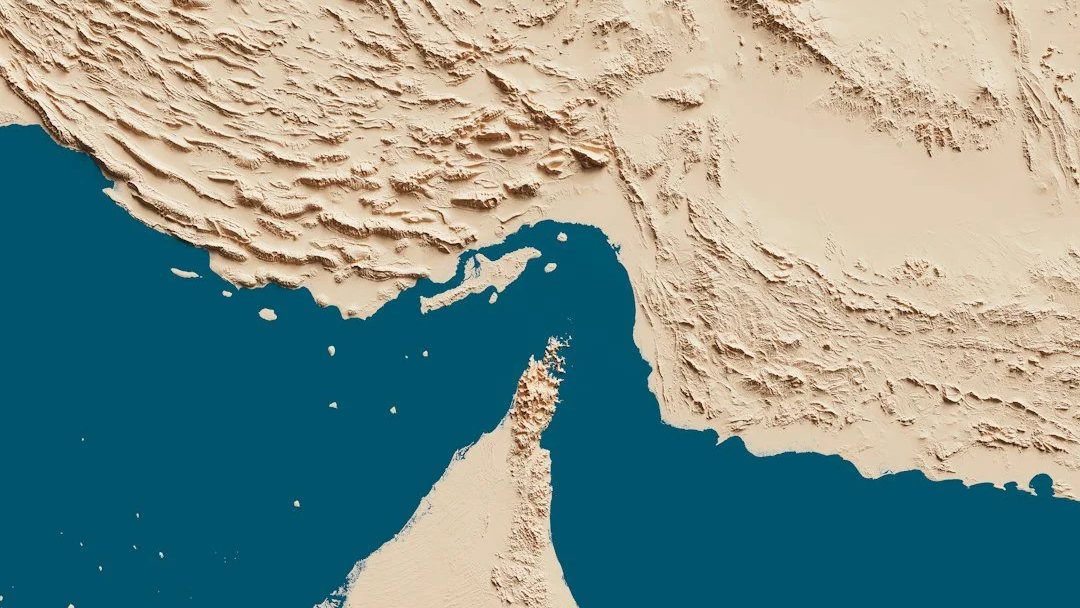
The two supply lines Windward identified into Ras Issa run north from Russia via Suez and south from Iran via Hormuz and Bab el-Mandeb. Tracks are schematic. Source: Windward Maritime AI™ Platform.
What Happened Twelve Sanctioned Tankers, Eleven of Them Dark Across the seven-week window, Windward identified 12 sanctioned tankers at the Houthi-controlled Ras Issa terminal and the nearby Salif anchorage. All 12 were already on sanctions lists at the time of identification, 11 of them under U.S. programs. Five were designated under counter-terrorism (SDGT), four under the Iran program, four under Russia programs across U.S., UK, and EU lists, and one under the Venezuela program.
This story was originally published by Hellenic Shipping News. Read the full story at Hellenic Shipping News →
Conversation