
U.S. Grain Exports at Risk From Aging Barge Fleet and High Replacement Cost
The United States faces a squeeze on grain transportation over the next decade because its inland barge fleet is retiring vessels faster than it build...
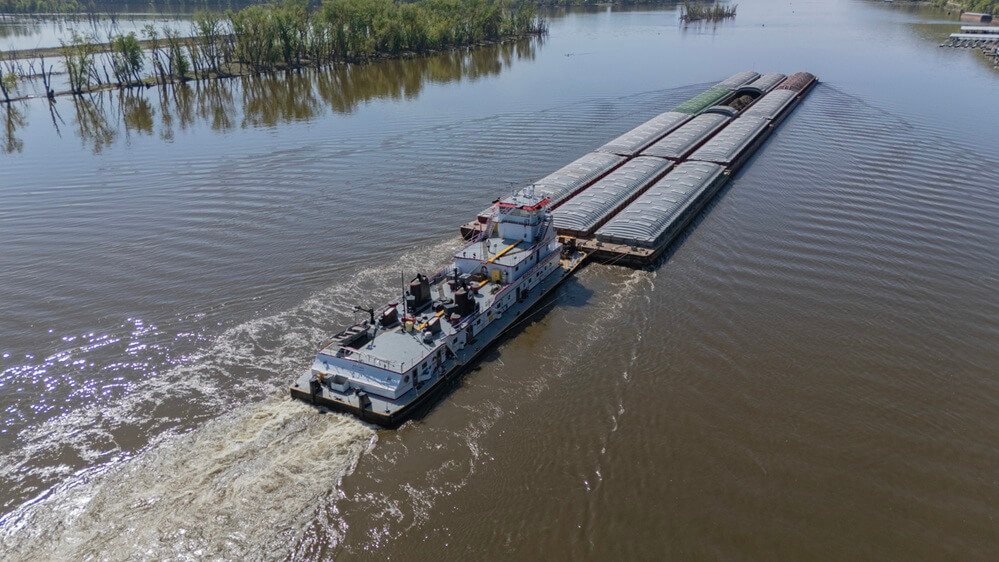
The United States faces a squeeze on grain transportation over the next decade because its inland barge fleet is retiring vessels faster than it builds new ones, according to CoBank, a cooperative bank that serves rural industries.
In a report released this week, CoBank projects that the U.S. inland barge fleet will shrink by about 17 percent by 2035. The fleet is aging fast, and high construction costs are discouraging owners from replacing old barges, the firm says. Combined with recurring low water on the Mississippi River, the bank says, that points to a transportation bottleneck for grain exports and tighter margins for farmers.
CoBank’s analysts say the inland waterway system is entering a period of “structural tightening,” with significant consequences for grain shipping and the wider farm economy.
The inland barge fleet stands at 19,668 barges this year, down 7.6 percent over the past decade, according to Current Data figures cited by CoBank. Over the same period, the fleet’s average age has risen from 13.8 years in 2016 to 17.6 years. Grain hopper barges typically last 25 to 30 years before corrosion and wear weaken their steel hulls.
This story was originally published by The Maritime Executive. Read the full story at The Maritime Executive →
Conversation