
UN and ECHO partner to green humanitarian supply chains
UNHCR, the WREC Coalition, and Climate Action Accelerator have launched a DG ECHO-funded project to reduce the environmental impact of aid supply chains.
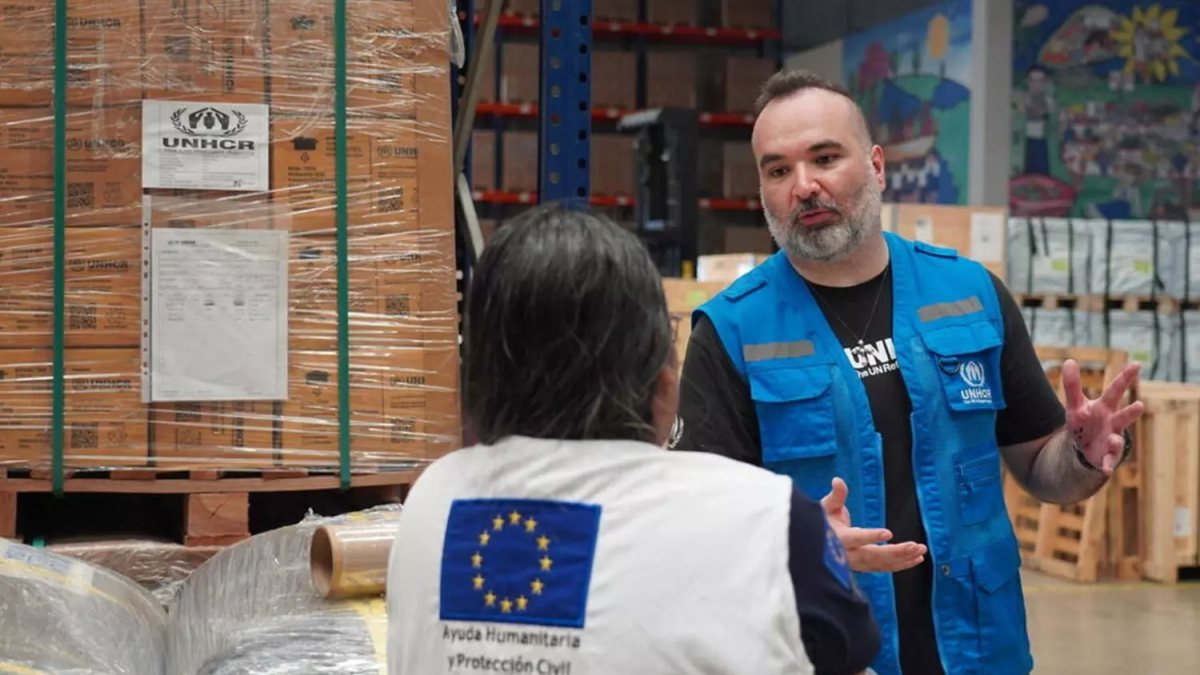
In an era where global freight and logistics networks are increasingly scrutinised for their environmental footprints, the humanitarian sector is taking decisive steps to ensure that the delivery of life-saving aid does not come at an unsustainable cost to the planet. UNHCR, the UN Refugee Agency, alongside the Logistics and Telecommunications Cluster (LTC)-led Waste Management and Measuring, Reverse Logistics, Environmentally Sustainable Procurement and Transport, and Circular Economy Coalition (WREC Coalition), and the Climate Action Accelerator, has officially launched a landmark collaborative project. Funded by the European Commission’s Directorate-General for European Civil Protection and Humanitarian Aid Operations (ECHO), this ambitious initiative is explicitly designed to support the broader humanitarian community in significantly reducing the environmental impact of its vital supply chains.
The primary objective of this new endeavour is to equip and help aid organisations to cut waste dramatically and utilise resources much more efficiently across their complex, global operations. Humanitarian logistics frequently operate under immense pressure and tight deadlines, historically leaving little room to prioritise ecological considerations. However, by embedding sustainable practices into the core of emergency response and ongoing relief programmes, the partners aim to fundamentally transform how aid is procured, transported, and managed post-delivery.
This story was originally published by STAT Times. Read the full story at STAT Times →



Conversation