
What a Container Actually Costs You: Inside the Terminal’s Cost Puzzle
Find out how connected terminal operating systems like iTOMS automate container billing, eliminate revenue leakage, and ensure FMC compliance across every yard event.
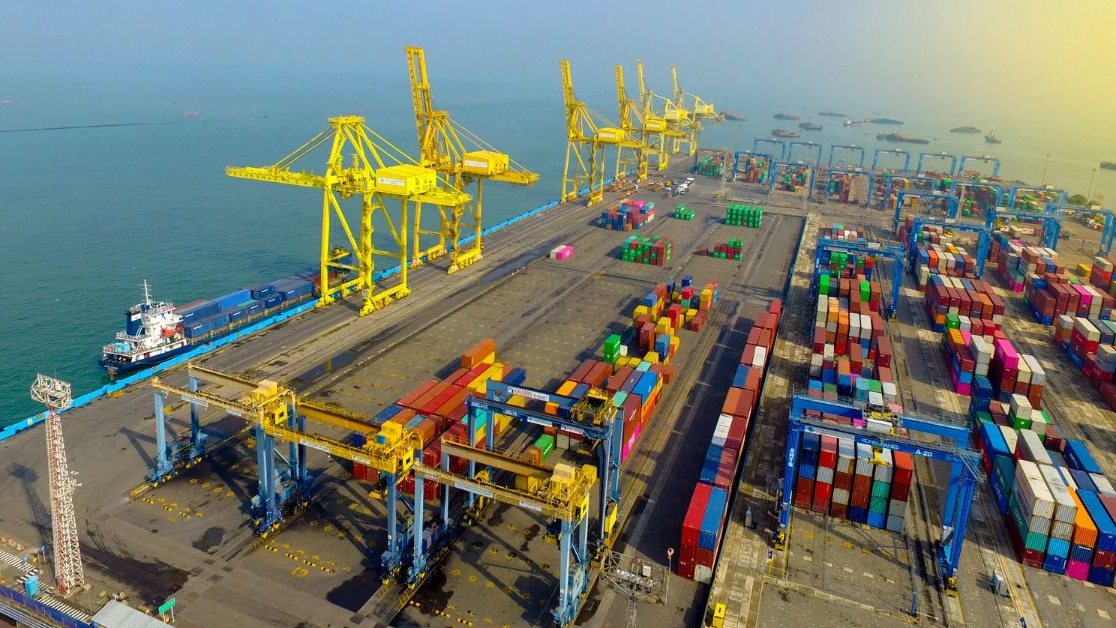
When a shipping container starts its journey, it passes through various stages, with different parties handling it for different reasons. That is why, in a single journey, the container is invoiced multiple times at different events of the supply chain.
However, when each charge is logged and tracked separately, it becomes difficult and cumbersome to consolidate everything for better decision-making and a smoother cargo transportation process.
Most terminals are struggling to stitch these invoices together as they are governed by separate tariff sheets and customer contracts, leading to manual processing and delays where a proper connected data system can do the trick.
Now for a single container, these are multiple cost triggers, which have their own data source and invoicing rules. Each of these single charges is pretty simple and by the book. However, the terminal handles thousands of containers in a month, and when every single container move carries these scattered charges, this makes the terminal billing cycle complicated and time-consuming.
This story was originally published by Marine Insight. Read the full story at Marine Insight →

Conversation