
What Is an Air Waybill? A Complete Guide for Air Cargo Shippers
An air waybill (AWB) is a transport document used for goods moving by air. It records key details about the shipment, including the shipper, consignee, origin and destination, number of pieces, weight and description…
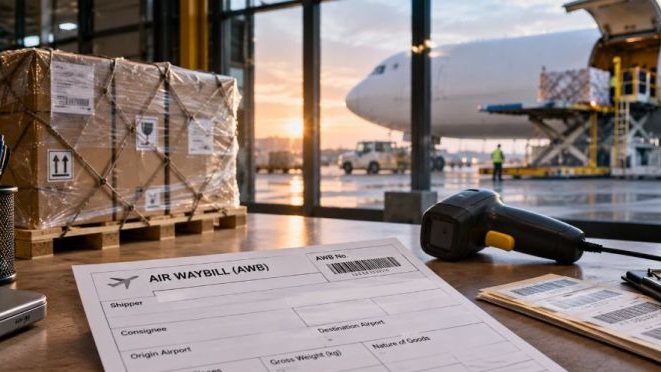
An air waybill (AWB) is a transport document used for goods moving by air. It records key details about the shipment, including the shipper, consignee, origin and destination, number of pieces, weight and description of the goods.
The AWB also serves as evidence of the contract of carriage between the shipper and the carrier, and as a receipt for the cargo. It is used by airlines, freight forwarders, cargo handlers and other parties involved in moving the shipment.
An air waybill is not a negotiable document of title. In other words, it does not function like a negotiable ocean bill of lading that can represent ownership of goods. The AWB identifies the shipment and its transport arrangement; it does not, by itself, establish who owns the goods.
For exporters and importers, getting the AWB details right is important. Errors in names, routing, piece count, weight or cargo description can lead to questions, corrections or delays.
This story was originally published by CargoTalk. Read the full story at CargoTalk →


Conversation