
Who Will Buy Sable’s Oil if California Keeps Closing Refineries?
Situated off California’s Santa Barbara coast, the Santa Ynez project operated by Sable Offshore has become a litmus test of President Trump’s determination to revive oil production in a state pursuing a future beyond…
Natalia Katona is a freelance commodity analyst, based in the United Arab Emirates.
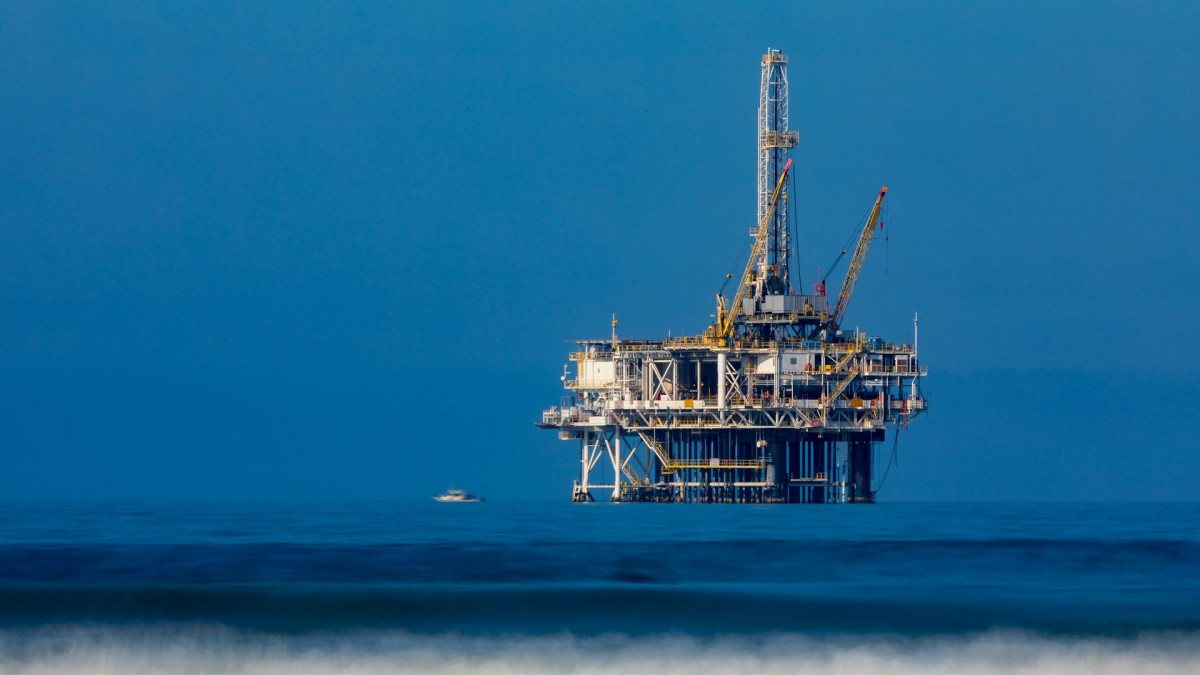
Situated off California’s Santa Barbara coast, the Santa Ynez project operated by Sable Offshore has become a litmus test of President Trump’s determination to revive oil production in a state pursuing a future beyond it. After a decade of shutdowns, its return depended on the Trump administration’s intervention in a prolonged regulatory battle.
Originally developed by ExxonMobil, the Santa Ynez complex comprises the Hondo, Harmony and Heritage platforms and their associated onshore infrastructure. Its troubles began in May 2015, when Plains All American’s Line 901 pipeline ruptured due to external corrosion near Refugio State Beach, spilling almost 3,000 barrels of crude. The failure cut off the project’s route to local refineries and broader market, forcing production to stop. ExxonMobil eventually sold the assets to Sable in 2024 for a total consideration of $643 million.
Restarting the production proved difficult. Pipeline safety requirements, permitting disputes and court orders kept the development from returning to normal operations. Those obstacles unfolded against Democrat-led California’s broader push to reduce its dependence on fossil fuels: in 2021, Governor Gavin Newsom asked state regulators to analyze how to phase out oil extraction by 2045. Sable announced in May 2025 that it had restarted production from Harmony, a claim California officials disputed, saying the activity was well testing. The offshore platforms sit in federal waters, beyond the state’s direct reach, but the oil initially went into storage while its onshore pipeline route, which California regulated at the time, remained blocked.
This story was originally published by OilPrice.com. Read the full story at OilPrice.com →
Conversation