
WHOI Research Vessel Neil Armstrong Makes Rare Great Lakes Voyage
The oceanographic research vessel Neil Armstrong has set sail on an unusual science mission that will take it through the Great Lakes for the first ti...
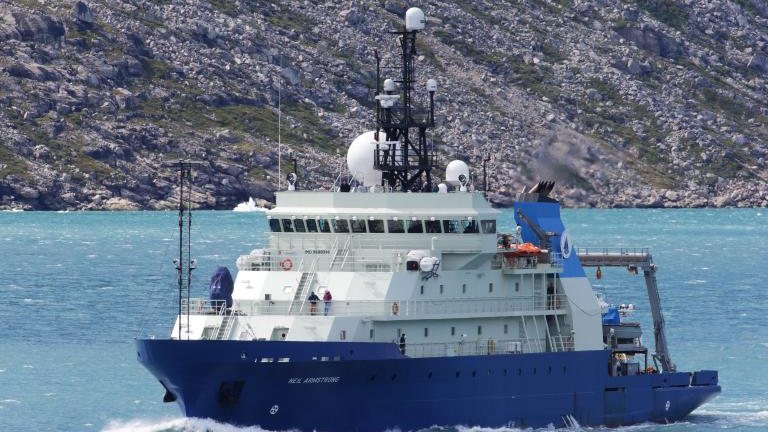
The oceanographic research vessel Neil Armstrong has set sail on an unusual science mission that will take it through the Great Lakes for the first time. Accustomed to operating in the open ocean, the vessel is undertaking a challenging journey through rivers, locks, and inland waterways.
The Woods Hole Oceanographic Institution (WHOI) announced that Neil Armstrong is on its way to support the Experimental Neutrino Detector (END), a physics experiment that will try to detect neutrinos in Lake Superior. The vessel departed its home port of Woods Hole, Massachusetts, on October 28 for a 2,500-nautical-mile transit to Duluth, Minnesota, at the western tip of Lake Superior. It is expected to arrive around November 9.
According to WHOI, bringing a large oceangoing research ship from the Atlantic Coast to Lake Superior has required careful planning, since each river, lock, and connecting waterway along the route has its own rules and navigational hazards.
WHOI is relying on the experience of its marine operations team to get the ship and crew safely to Lake Superior. “Research vessels like the Armstrong are accustomed to operating in demanding conditions, but this trip has a unique set of challenges,” said Kent Sheasley, Neil Armstrong’s master and one of the two captains sharing command of the voyage. Those challenges include the change in buoyancy as the ship passes from salt water into fresh water, tight maneuvering in narrow rivers and locks, wave conditions on the lakes, and Midwestern weather, Sheasley said. The crew is also consulting local pilots who know the Great Lakes routes well.
This story was originally published by The Maritime Executive. Read the full story at The Maritime Executive →

Conversation