Australia: Union attacks DP World’s automation plan at container terminals.
Disclosure
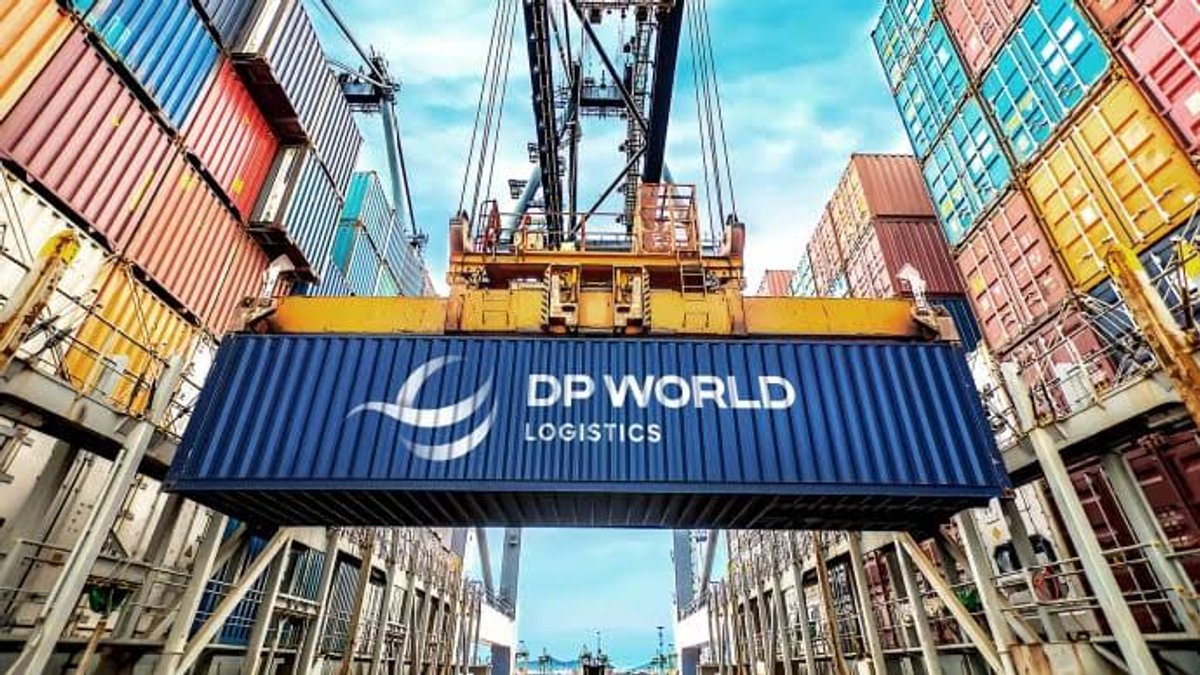
The automation plan that DP World intends to advance in the Melbourne, Sydney and Brisbane terminals has opened a new front of labor tension in Australia.
Internal Pages – Super (728×90) – Position 14
The Maritime Union of Australia disputes this strategy and accuses the port operator of moving towards large-scale investment in automated equipment without respecting, according to the union, the expected consultation duties. According to information made public, DP World plans to invest more than 600 million Australian dollars in automated equipment for its network of container terminals in the country. For the union, this bet does not just represent a technological change.
In your opinion, it could also result in job losses, profound changes in operational functions and even less productive, more expensive and less secure terminals. The issue therefore goes beyond the simple modernization of infrastructures. In large container ports, subject to strong pressure on volumes, productivity, costs and layover times, automation is often presented by operators as a natural response to market demands.
But on the labor side, resistance remains, especially when workers understand that the transition is being conducted without sufficient dialogue and without clear guarantees about the impact on employment and operational security. The Australian case thus shows once again that port automation remains far from achieving consensus. More than a dispute over machines and efficiency, what is at stake is how the sector intends to reorganize work, redistribute functions and redefine the balance between competitiveness, costs and social stability within the terminals.
This post was generated from information in the original feed. Credits and reference to the source were included at the end of the text.
Source:
Rectangle Indoor Banner (600×250) – Position 13
SOURCE: