Chamber votes on rare earths PL on the eve of Lula and Trump meeting
The Chamber of Deputies is expected to vote this Wednesday (6/5) on the bill that creates a regulatory framework for the exploration of critical minerals in Brazil.
The agenda was defined by the President of the House, Hugo Motta (Republicanos-PB), on the eve of the meeting between the President of the United States, Donald Trump, and President Luiz Inácio Lula da Silva (PT), at the White House, in Washington.
Super Rectangle (728×90) – Position 17
The proposal’s rapporteur, deputy Arnaldo Jardim (Cidadania-SP), presented his opinion on Monday (4/5) and proposed the creation of a council to centralize decisions about the sector.
Jardim presented the report after successive postponements of the project, at the request of the Brazilian government. The analysis of the text takes place amid recent tensions with Trump, who has once again pressed for access to critical minerals and rare earths in partner countries. The subject should be on the agenda of the conversation between Lula and Trump.
The vote also takes place after the then governor of Goiás, Ronaldo Caiado (PSD), signed a memorandum, on March 18, of understanding with the North American government on the exploration of critical minerals and rare earths in the state.
The initiative generated a negative reaction, including in the National Congress. President Lula even called the agreement a “shame” and accused Caiado of “selling” the country.
PSol parliamentarians sent a representation against Caiado to the Attorney General’s Office (PGR), asking for the agreement to be annulled.
Points of the proposal
The council, proposed by Arnaldo Jardim, will have the power to authorize mineral exports and analyze international agreements, with the possibility of barring those who pose a risk to the country’s security.
This same council — called the Special Council for Critical Minerals (CMCE) — will also be responsible for defining which minerals are included in the “critical and strategic” list. This list is not fixed: it will be revised every four years.
The idea is to make Brazil not only export raw materials, but also advance in the following stages, such as processing and transformation within the country itself.
The text also provides mechanisms to track minerals throughout the entire chain, from extraction to destination. Furthermore, it encourages so-called urban mining, which consists of recovering valuable materials from electronic waste, used batteries and discarded vehicles.
The report also authorizes the creation of a public fund to finance projects in the mineral sector. The proposal establishes an initial contribution of up to R$2 billion from the Union, open to companies’ participation. The estimate from the National Bank for Economic and Social Development (BNDES) indicates that the demand for investments in the sector could reach around R$5 billion.
Understand what critical minerals are
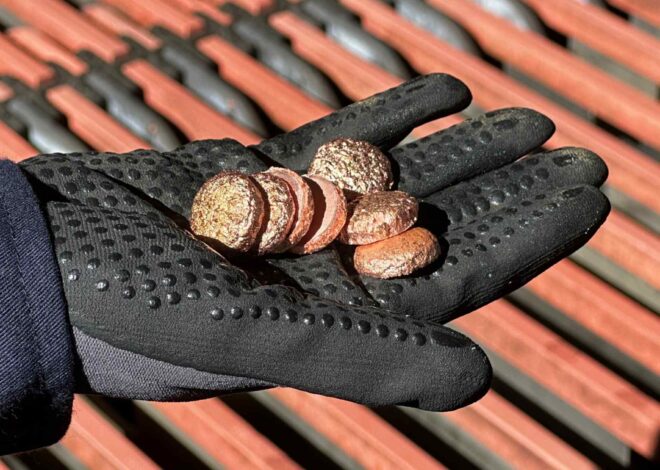
Critical minerals are essential mineral resources for strategic sectors. This group includes elements such as lithium, cobalt, nickel and rare earths (17 chemical elements). These materials are fundamental for the manufacture of electric vehicle batteries, wind turbines, solar panels and semiconductors.
*With information from the Metrópoles portal
Rectangle Indoor Banner (600×250) – Position 1
SOURCE: