Editor’s Choice: Energy crisis forces Asia into COVID-like restrictions
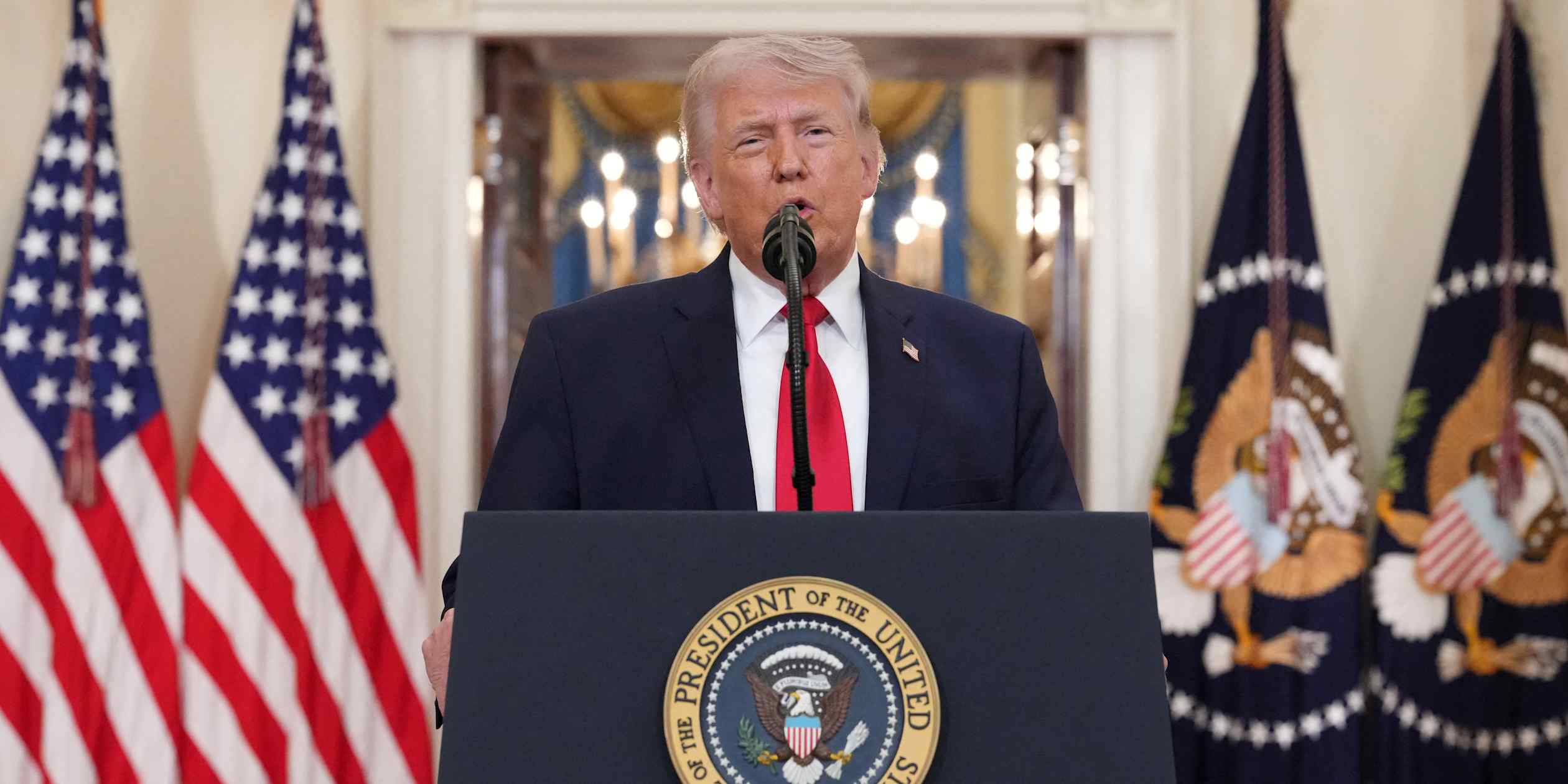
Hello from Tokyo. As I was drafting this newsletter, U.S. President Donald Trump concluded a televised address. Speaking about the war with Iran, he said that the “core strategic objectives are near completion,” and made opaque remarks suggesting that the Strait of Hormuz, a key bottleneck in the global energy crisis, would “open up naturally.” He stopped short of any clear reference to a ceasefire, which the world had been hoping for. Asian stock markets, struggling to digest Trump’s remarks, lost direction, while crude oil prices rose.
More than a month has passed since the U.S. and Israel launched a surprise attack on Iran. With the Strait of Hormuz effectively closed, Southeast Asian countries have begun rolling out emergency measures to cope with the energy crisis. The impact is now being felt in people’s daily lives.
In Indonesia, the government announced measures to reduce oil consumption, including a remote work policy. In Vietnam, the government has urged citizens to limit the use of private vehicles. In Myanmar, too, energy shortages are deepening economic uncertainty.
Many Asian airlines have announced plans for hefty fuel surcharges. As uncertainty deepens over the outlook for the crisis, transportation is becoming increasingly constrained, raising the risk that the world could once again be pushed into conditions reminiscent of the COVID-19 pandemic.
The last time oil prices hit record highs was in 2008. At the time, the surge was driven by structural factors, notably booming demand from fast-growing Asian economies. In response, a wave of green tech startups emerged, helping to fuel the rise of electric vehicle makers such as Tesla, and there was a growing sense that innovation could overcome the energy crisis.
That fundamental shift toward green technology has since stalled amid the Trump administration’s rollback of environmental regulations. In the current gridlock, the only defensive measure available to energy-hungry emerging economies in Asia is to urge their citizens to conserve.
The COVID-19 pandemic was a disaster that we could not prevent. This energy crisis, by contrast, is a man-made one — the result of leaders choosing to wage war. The only real solution is the return of peace to the Middle East. But after the U.S. president’s speech, the timing of that outcome has become even more uncertain. Please be sure to follow Nikkei Asia for continued coverage of how the war in Iran is affecting Asia.
My suggested reads
1. Last year, beauty and personal care sales recorded double-digit growth in most countries in Southeast Asia, far outstripping gross domestic product expansions. ASEAN Money explores how brands from across the region are now spreading their wings to the rest of Asia as they benefit from a sector that appears to be defying broader economic headwinds.
2. Bitcoin has held firm during the Iran war even as stocks swing, boosting confidence in crypto across Southeast Asia. Trading Asia looks at how bitcoin’s calm performance and the rising use of dollar stablecoins for remittances are nudging governments, banks and institutions across the region into wider adoption of crypto.
3. Indonesian President Prabowo Subianto has dusted off a bold, long-stalled plan for a 500-kilometer-long seawall to protect communities along Java’s northern coast — at an estimated cost of $80 billion. Our Big in Asia series takes a look at whether the project can overcome engineering, financial and political challenges to build the world’s longest seawall.
Wishing you a wonderful weekend!
Akito Tanaka
Follow us on Threads and Instagram
Sign up for the weekly Editor-in-chief’s picks newsletter here
Join our free webinar “Decoding Sanae Takaichi: Japan’s first female PM and the road ahead” on April 23. Sign up and submit questions here