
Disclosure
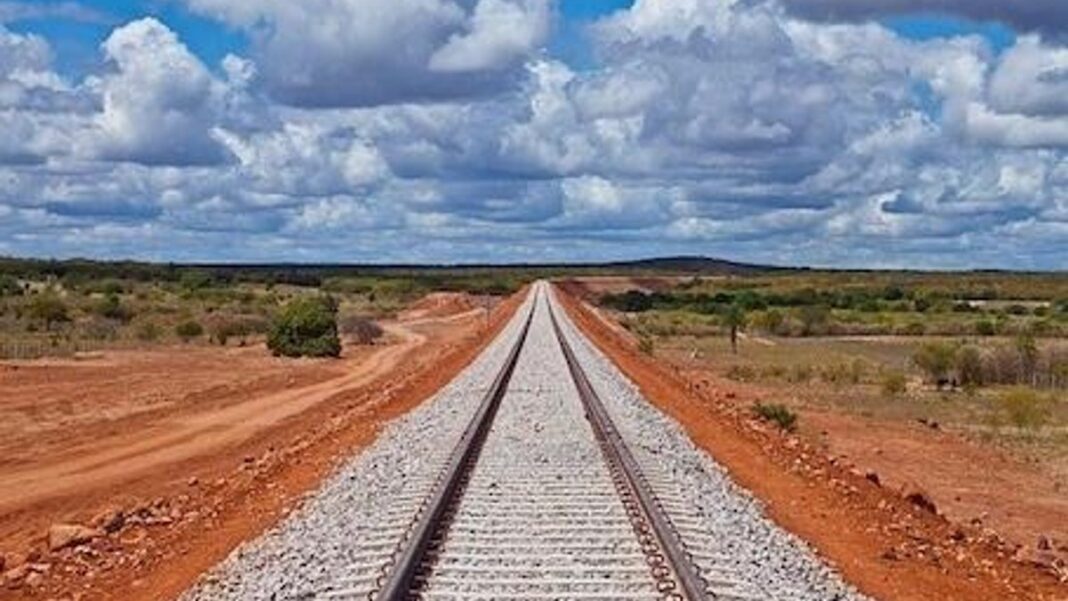
The decision of the Federal Supreme Court (STF) that authorized the advancement of the project Ferrogrão highlighted one of the most awaited infrastructure projects for national agribusiness. With 933 kilometers longthe railway will connect Sinop (MT) to the port terminal of Miritituba (PA) and promises to revolutionize the flow of Brazilian agricultural production.
Studies indicate that the new railway could generate a savings of more than R$9 billion in transport costsin addition to significantly expanding the participation of North Arch in grain exports and strengthen logistical integration between the Central-West and the ports in the North of the country.
Super Rectangle (728×90) – Position 17
New corridor for agricultural production
Ferrogrão was designed to largely follow the route of the BR-163currently the main corridor used to transport the soybean, corn and bran harvest produced in the north of Mato Grosso.
Today, the highway moves more than 17 million tons of grains per yearfacing congestion, high operating costs and logistical difficulties during periods of greater harvest movement.
With the railway’s entry into operation, the expectation is to transfer a large part of this flow to the tracks, offering an alternative with greater capacity, lower operating costs and greater predictability for cargo transport.
According to studies by National Land Transport Agency (ANTT)Ferrogrão will be able to move more than 50 million tons annually at its full capacity.
Change in the transport matrix
In addition to the economic gains, Ferrogrão represents an important advance towards the balance of the Brazilian logistics matrix.
Currently, approximately 65% of the country’s cargo is transported by highwaywhile railways account for around 21%according to data from the National Transport Confederation (CNT) and Infra SA
Expanding the participation of the railway modal is considered strategic to reduce logistical costs, increase the competitiveness of Brazilian exports and reduce dependence on road transport over long distances.
Another expected benefit is the reduction in the circulation of thousands of trucks on BR-163, contributing to:
- lower fuel consumption;
- reduction of greenhouse gas emissions;
- increased road safety;
- greater efficiency in the transport of agricultural commodities.
Sinop must consolidate as a logistics hub
The implementation of Ferrogrão also tends to strengthen the role of Sinop (MT) as one of the main logistics hubs for Brazilian agribusiness.
Located in one of the regions with the highest national production of soybeans and corn, the city should attract new investments in:
- warehouses;
- distribution centers;
- transshipment terminals;
- logistics condominiums;
- industries linked to agribusiness.
The integration between highways and railways creates conditions to transform the municipality into an important multimodal center, increasing the region’s competitiveness.
Legal security increases investor interest
To Anthony Pereiracommercial and operations director of PZ Loga private complex focused on the logistics sector in Sinop, the STF’s decision strengthens the legal security of the enterprise and increases market confidence.
According to the executive, Ferrogrão will be a game changer for national logistics.
“The STF’s approval shows how the region will be even more impacted by asset appreciation. Ferrogrão is the main railway designed to transport grain from Sinop to the ports of Pará and will transform the logistics of Brazilian agribusiness.”
In Pereira’s assessment, the reduction in logistics costs should generate positive effects on the entire regional economy.
“There are more than R$9 billion that will no longer be consumed by transport costs and can be directed to new investments, wealth generation and local development. All this railway infrastructure tends to increase the value of Sinop’s logistical and real estate assets even more.”
Investments estimated at R$25.2 billion
Although the legal progress represents an important milestone, the project will still need to complete environmental, regulatory and technical steps before the definitive publication of the concession notice.
Ferrogrão foresees investments estimated at R$25.2 billion throughout its concession, which will last for 69 years old.
For infrastructure specialists, the challenge now will be to transform the progress made in the STF into an economically sustainable project, capable of attracting private investors and consolidating a new logistics axis between the Center-West and the ports of Pará.
Impact on the port sector.
The implementation of Ferrogrão should also directly benefit the terminals of the so-called North Archespecially those located in Miritituba (PA)expanding grain export capacity through ports in the region and reducing pressure on traditional corridors that serve the ports of Santos (SP) and Paranaguá (PR).
For the port and logistics sector, the project is considered one of the most important structural works of the coming decades, with the potential to increase the efficiency of cargo transport, reduce costs and strengthen Brazil’s competitiveness in the international agricultural commodities market.
Stay up to date with all the news from the Brazilian port sector
Follow the Jornal Portuário channel on WhatsApp