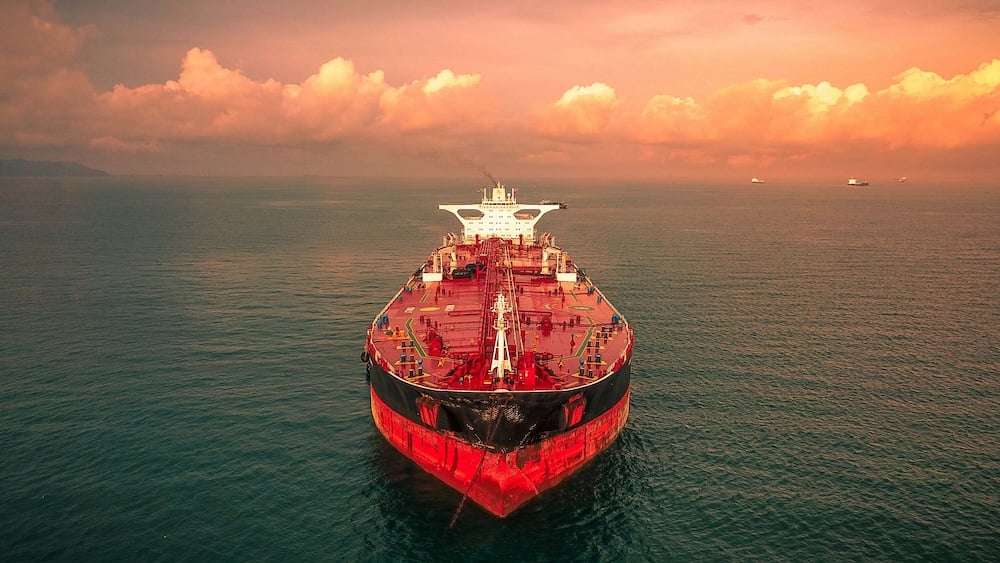

Every commercial vessel relies on far more than engines, navigation systems, and written procedures to complete a safe voyage. Cargo operations, mooring, machinery maintenance, enclosed space entry, and navigation all require crews to make sound decisions while conditions continue changing around them. Weather, fatigue, equipment faults, and communication failures can quickly increase operational risk if they are not recognised early. Safe ship operations therefore depend on structured learning that combines internationally recognised training, practical exercises, onboard experience, and continuous professional development. Together, these elements prepare seafarers not only to respond to emergencies but also to recognise the conditions that often lead to them.
Every seafarer starts with the same international safety foundation
Before stepping onto most commercial vessels, seafarers are expected to complete an STCW basic safety training course. The qualification is based on the International Convention on Standards of Training, Certification and Watchkeeping for Seafarers (STCW), adopted by the International Maritime Organization to establish minimum training and certification requirements recognised by maritime administrations around the world.
The training is designed to give every seafarer a common understanding of essential emergency response principles before vessel specific familiarisation begins. Regardless of whether someone later works on a tanker, container ship, offshore support vessel, or passenger ship, they are introduced to the same core subjects, including:
- Personal survival techniques and abandoning ship procedures.
- Basic firefighting using portable extinguishers and fire prevention methods.
- Elementary first aid for common onboard injuries.
- Personal safety and social responsibilities, including hazard awareness, communication, and safe working practices.
Training providers place considerable emphasis on practical exercises because emergency response cannot be learned from theory alone. Trainees extinguish controlled fires, launch and board survival craft, practise casualty care, and respond to realistic emergency scenarios that mirror situations they may later encounter at sea.
Practical experience develops operational judgement
Formal training usually provides the foundation, then competence develops through experience onboard. Every vessel has different cargoes, machinery layouts, operational schedules, and maintenance routines. New crew members therefore spend considerable time learning vessel-specific procedures from experienced officers and senior ratings. Daily work gradually develops the judgement needed to recognise changing conditions before they become safety problems.
This learning continues through activities such as emergency drills, toolbox talks before maintenance or lifting operations, as well as safety meetings reviewing recent incidents and near misses. Repeated exposure to these situations combined with practical supervision during higher risk tasks helps seafarers understand why procedures exist rather than simply following them from a checklist. An officer who has repeatedly discussed mooring incidents, for example, is more likely to recognise an overloaded line before it parts than someone relying only on written instructions.
Communication prevents incidents before equipment does
Most maritime investigations find that communication failures are an important contributing factor to incidents long before equipment breaks down. Situations such as incomplete handover, an assumption that instructions were understood, or hesitation to question an unusual situation can all create conditions where mistakes become more likely.
Proper preparation and strong safety cultures onboard encourage crews to verify information rather than assume it is correct. Junior crew members should feel confident asking for clarification when instructions are unclear, while senior officers benefit from creating an environment where concerns can be raised without hesitation.
Some simple communication-related actions that prevent larger problems from developing include:
- Reporting damaged equipment as soon as it is discovered.
- Confirming responsibilities before complex operations begin.
- Challenging unsafe shortcuts instead of accepting them as routine.
- Discussing lessons learned after drills and maintenance work.
- Raising concerns when fatigue begins affecting performance or communication.
These behaviours strengthen situational awareness across the whole crew instead of relying on one individual to identify every developing hazard.
Learning continues throughout a maritime career
The shipping industry continues evolving as new technologies, environmental regulations, digital systems, and operational practices are introduced across the global fleet. Maintaining competence therefore requires more than completing an initial qualification. Many seafarers continue developing their professional knowledge through additional STCW courses covering subjects such as advanced firefighting, proficiency in survival craft, medical first aid, leadership, and bridge or engine room responsibilities. Refresher training also ensures emergency response skills remain current instead of relying on knowledge that may not have been practised for several years.
The importance of practical drills and continuous competence is also recognised in the International Safety Management (ISM) Codewhich requires shipping companies to establish procedures for safe ship operation, emergency preparedness, and continual improvement of safety management systems. This way prepared crews get built over years and acquire knowledge than lasts and is transferable to different marine operations.
Disclaimer :
The information on this website is for general purposes only. While efforts are made to ensure accuracy, we make no warranties of any kind regarding completeness, reliability, or suitability. Any reliance you place on such information is at your own risk. We are not liable for any loss or damage arising from the use of this website.
Disclaimer :
The information on this website is for general purposes only. While efforts are made to ensure accuracy, we make no warranties of any kind regarding completeness, reliability, or suitability. Any reliance you place on such information is at your own risk. We are not liable for any loss or damage arising from the use of this website.