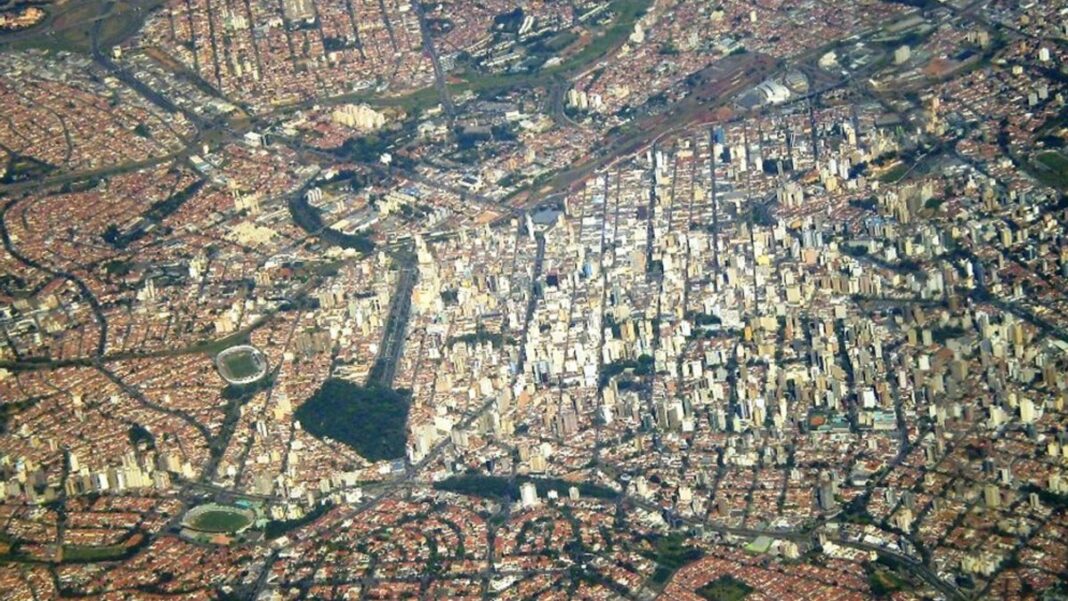

Photo: aerial view of Campinas – Caldas / Wikimedia Commons / CC BY-SA 3.0
The Metropolitan Region of Campinas (RMC) has established itself as the main logistics hub in the Brazilian interior and one of the most important strategic points in Latin America. This performance is the result of the integration between a highly efficient multimodal infrastructure, a privileged geographic location and the presence of giants in the industrial and distribution sector.
In the first quarter of 2025, RMC recorded R$105.3 billion in its Gross Domestic Product (GDP), an increase of 3.2%. This level is higher than that reached by 21 Brazilian states and the Federal District.
Super Rectangle (728×90) – Position 17
In the logistics sector, the main driver of the multimodal network is Viracopos International Airport, recognized as one of the largest and most modern cargo movement centers on the continent. In addition to the air transport, the region has a road network that includes essential expressways for the country, such as the Anhanguera, Bandeirantes, Dom Pedro I and Santos Dumont highways. This network allows the rapid flow of goods both to the largest national consumer centers and to the Port of Santos and other export routes. To find out more about highways click here.
Campinas’ logistical strength is also driven by the municipalities that surround it. Cities such as Paulínia, Hortolândia, Indaiatuba, Sumaré and Americana are home to highly competitive industrial hubs and strategic distribution centers, guaranteeing high storage capacity and agility in deliveries.
The Metropolitan Region of Campinas integrates air cargo transport, high-capacity road corridors and a robust production network, consolidating its position as one of the main logistics hubs in Brazil.