
AI turns cold chain data into predictive power for pharma logistics
AI is reshaping the cold chain, moving pharma shipments from passive monitoring to proactive prediction. But data silos, lagging updates, and partner gaps remain stubborn roadblocks.
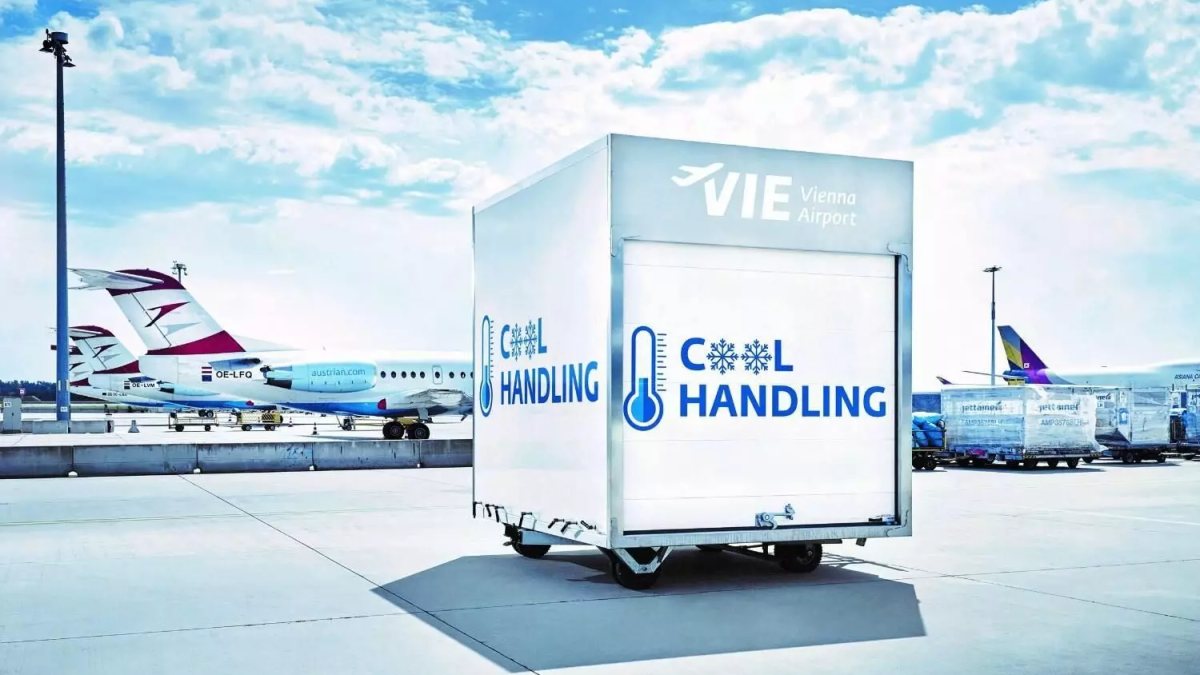
The pharmaceutical air cargo industry is looking to move beyond conventional temperature monitoring towards predicting disruptions before they affect product integrity. As medicines become more sensitive to temperature variations and supply chains involve multiple transport and handling partners, logistics companies and pharmaceutical manufacturers are increasingly using data, artificial intelligence (AI) and predictive analytics to identify risks earlier and improve shipment reliability.
The growing importance of temperature-controlled transportation is reflected in figures from the International Air Transport Association (IATA). According to its CDD Enhanced CargoIS data, the share of pharmaceutical air cargo classified as temperature-controlled increased from 59% in 2019 to 82% in 2024, reaching 90% in January-July 2025.
Traditionally, temperature monitoring has relied on data loggers that record conditions during transit and establish whether a shipment has remained within its prescribed temperature range. However, this information may only reveal a problem after it has occurred, leaving limited time for logistics teams to intervene.
Predictive cold chain management aims to address this limitation. By combining historical shipment information with live temperature readings, weather conditions, airport dwell times, flight schedules and carrier performance, companies can assess where a shipment may face risks and take preventive measures.
This story was originally published by STAT Times. Read the full story at STAT Times →

Conversation