
When cargo becomes a weapon: The dangerous goods challenge
Undeclared dangerous goods are exposing critical gaps in air cargo safety, raising questions about screening technology, regulatory compliance, and the industry's ability to detect hidden threats before they reach aircraft.
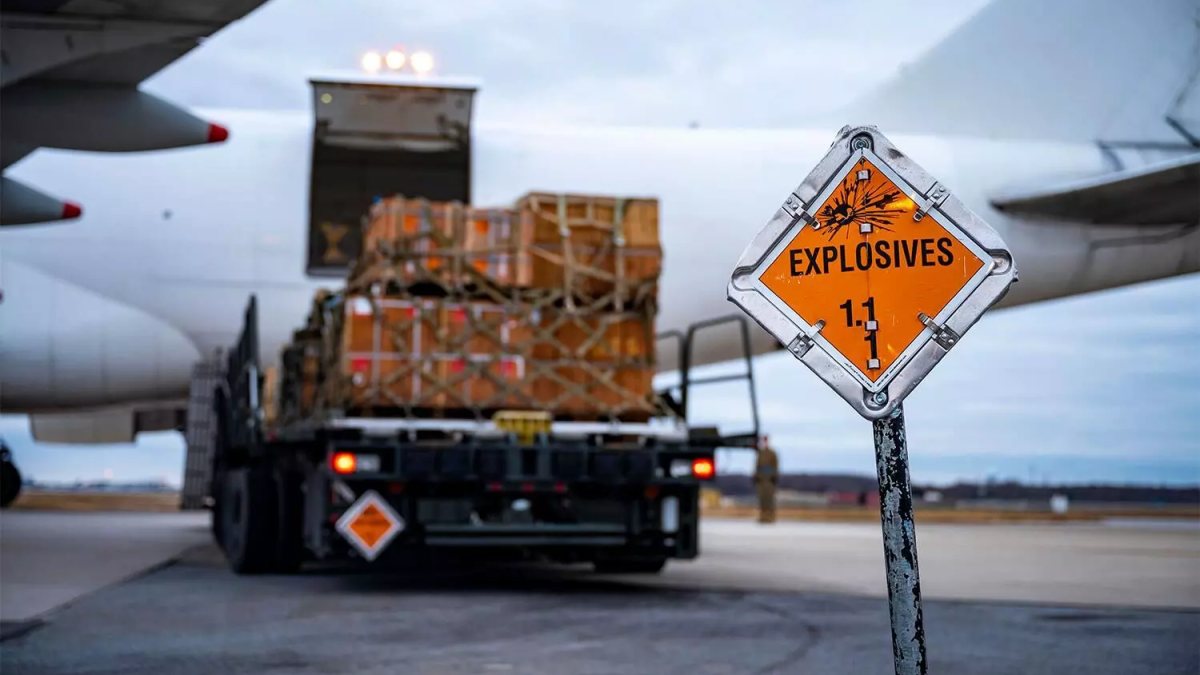
In 2024, The Wall Street Journal reported that Russia was behind the shipment of two incendiary devices to DHL logistics centres in Germany and the United Kingdom, part of a broader sabotage campaign aimed at sparking fires aboard aircraft bound for North America. One package exploded at DHL’s Leipzig facility just before its scheduled departure, while another ignited at the Birmingham distribution centre. Together, these incidents underscore how dangerous goods can be weaponised, exposing vulnerabilities in air cargo safety amid rising geopolitical tensions.
After authorities in Europe and the UK launched a joint investigation in 2024 following incidents involving self-igniting parcels that detonated in Germany, Poland and at a DHL depot in the UK, investigators reported that 22 suspects had been identified in Lithuania and Poland, allegedly acting on behalf of Russia's military intelligence service.
The incident raises a broader question: to what extent geopolitical tensions influence cargo movements, not just route diversions but also the nature of goods being transported. The transportation of dangerous goods remains a sensitive issue that cannot be overlooked, particularly as the potential weaponisation of such materials emerges as a growing concern amid increasing geopolitical instability worldwide.
According to a white paper published by the International Air Transport Association (IATA), undeclared dangerous goods accounted for over 81% of all incidents reported to the association within the 6-month referenced period of 1 January – 30 June 2025, representing 2,798 cases. Other reported incidents included incorrect, missing, or illegible labels and markings (7%); damage without release of contents (5%); misdeclared goods (4%); inadequate or incorrect packaging (2%); and spillage or leakage resulting in a release (1%).
This story was originally published by STAT Times. Read the full story at STAT Times →

Conversation