
Bayesian Disaster Prompts Calls for Overhaul of Superyacht Safety Standards
British marine accident investigators are calling for changes to superyacht safety regulations after the sinking of the luxury sailing yacht Bayesian exposed gaps in vessel stability standards, liferaft requirements and...
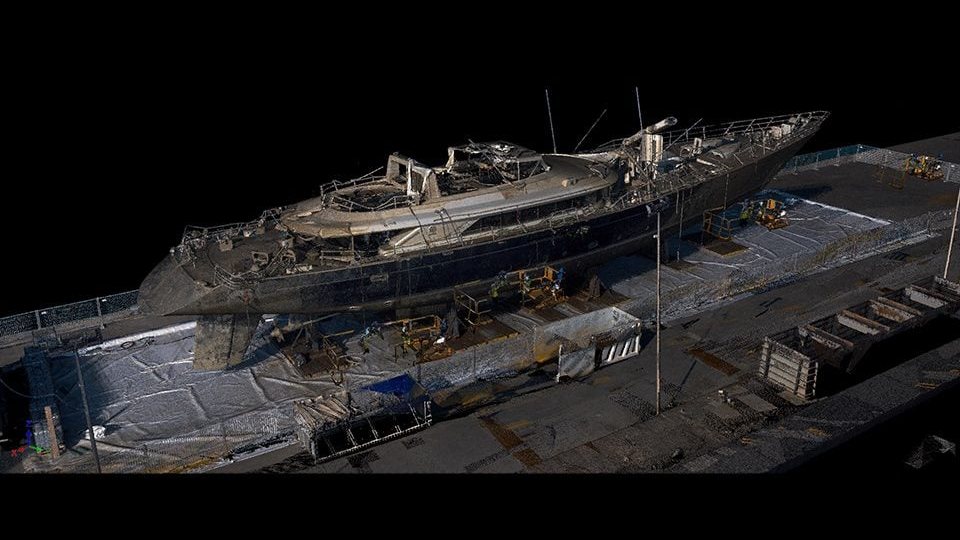
British marine accident investigators are calling for changes to superyacht safety regulations after the sinking of the luxury sailing yacht Bayesian exposed gaps in vessel stability standards, liferaft requirements and crew training that could put other large sailing yachts at risk.
The recommendations, contained in the UK Marine Accident Investigation Branch’s (MAIB) final report released Thursday, follow the August 2024 disaster off Sicily that killed seven people, including British technology entrepreneur Mike Lynch and his daughter.
While investigators found that Bayesian had an unrecognized vulnerability to extreme winds, the report goes further, identifying shortcomings in the regulatory framework governing large sailing yachts and recommending changes aimed at preventing similar accidents.
At the center of the findings is a gap in the standards used to assess yacht stability. Neither the Large Commercial Yacht Code (LY2), under which Bayesian was built, nor the subsequent Red Ensign Group Yacht Code required certain monohull sailing yachts to be assessed for the risk of being knocked onto their sides by high winds when operating without sails.
This story was originally published by gCaptain. Read the full story at gCaptain →
Conversation