
Can Container Ships Save Up To 14% Fuel If Terminals Shared Berth Times Earlier?
Just-in-time arrival means a ship adjusts its speed during the passage to reach port when the berth, fairway, pilots and tugs are ready. The ship burns less fuel and waits less time at anchor.
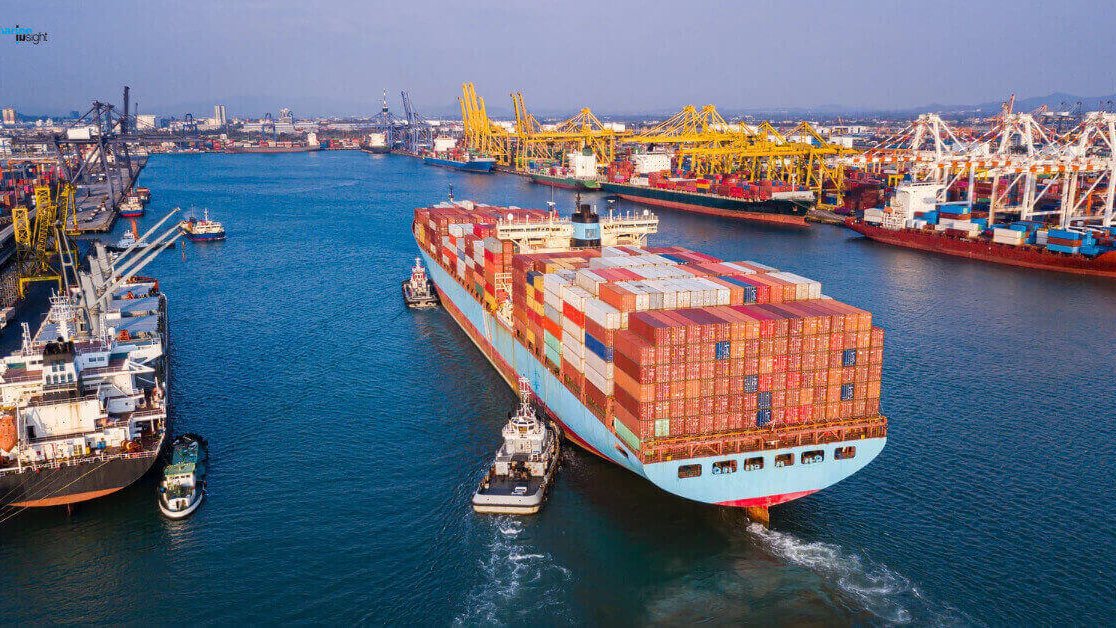
Just-in-time arrival could cut container ship fuel use by up to 14% per voyage, according to a 2022 study commissioned by the IMO-Norway GreenVoyage2050 project.
Just-in-time arrival means a ship adjusts its speed during the passage to reach port when the berth, fairway, pilots and tugs are ready. The ship burns less fuel and waits less time at anchor.
This article explains where the 14% comes from, why the savings shrink when berth information arrives late, and what terminals can do about it.
The IMO describes a just-in-time ship as one that burns the least bunker fuel on the way to port and still arrives on time. The IMO also notes that the port call process is generally not optimised today.
This story was originally published by Marine Insight. Read the full story at Marine Insight →

Conversation