
Crewing a dredger: Why dredge masters and TSHD engineers are the hardest seats to fill
By Pavel Manchenko, Founder and Managing Director, Marine MAN A dredger is a ship and a production plant at the same time. It has to navigate,...
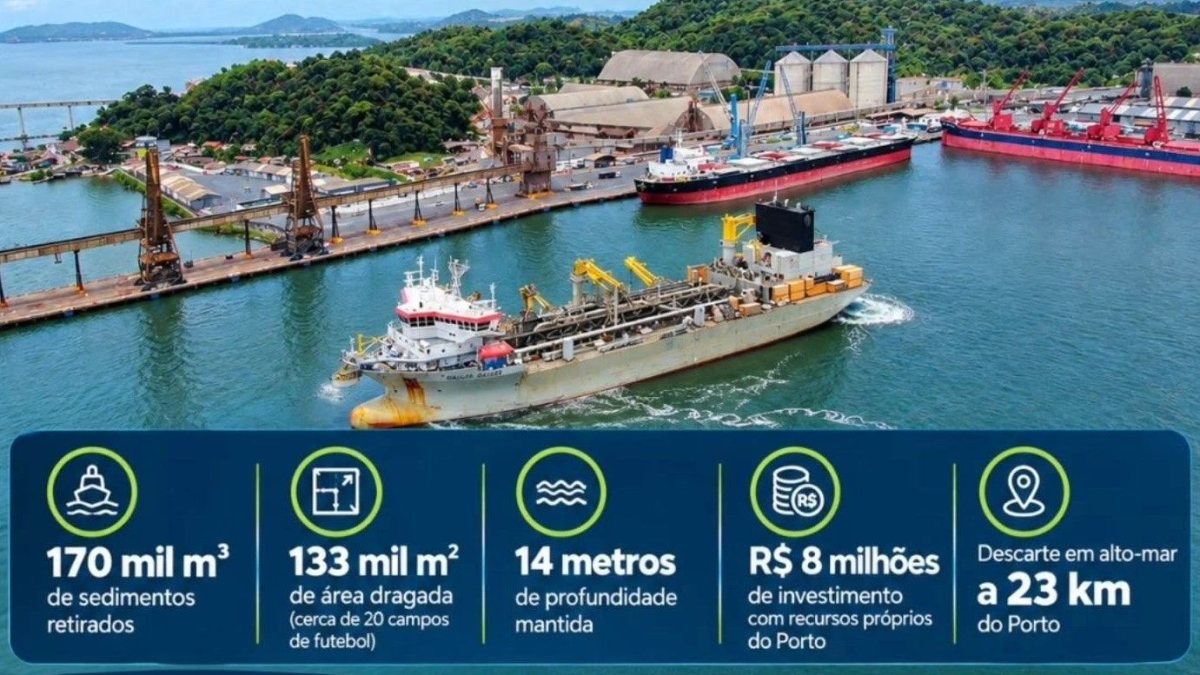
A dredger is a ship and a production plant at the same time. It has to navigate, manoeuvre and keep its crew safe like any other vessel, but its real purpose is to move sediment: to dig, load, transport and place sand, silt or rock to a precise design, often around the clock and within tight environmental limits. That dual nature makes dredgers, in my experience, some of the hardest vessels in the world to crew.
A trailing suction hopper dredger or a cutter suction dredger is only as productive as the people who run it. The dredge master who plans each cycle, the operators who control drag heads and cutter ladders, and the engineers who keep dredge pumps, high-voltage systems and hydraulics running all have a direct impact on production. When one of these seats is empty, or filled with the wrong person, the project feels it within days.
In this article I look at what makes dredging crews different, why key positions are so hard to fill, and how contractors can turn crewing from a recurring headache into a managed part of project delivery.
This story was originally published by Dredging Today. Read the full story at Dredging Today →
Conversation