
Gulf Oil Flow at Risk From Lack of Empty Tankers, Tracker Says
The number of empty tankers sailing to collect cargoes of Middle East crude is sliding, a trend that could jeopardize the recent revival in the region’s oil flows to global markets, according to Tankertrackers.com,…
By Alaric Nightingale (Bloomberg) — The number of empty tankers sailing to collect cargoes of Middle East crude is sliding, a trend that could jeopardize the recent revival in the region’s oil flows to global markets, according to Tankertrackers.com, a firm that monitors vessel movements.
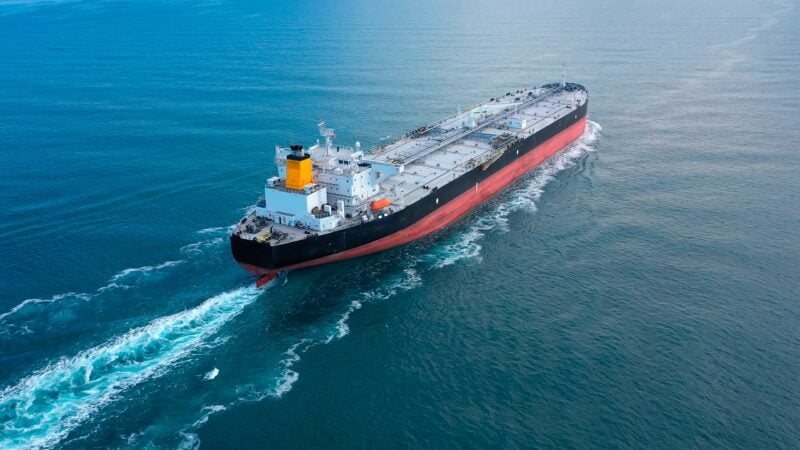
The industry uses two main ship types to get oil from the Persian Gulf to the world: very large crude carriers, which transport 2 million-barrel cargoes, and Suezmaxes that move about half that. The collective capacity of those vessels sailing empty to the region has declined by about 40% since the end of August, according to Tankertrackers.com figures.
While the market is intensely focused on how much oil leaves the Middle East, those flows are only possible if there’s a steady stream of ships arriving to pick up the barrels. The Iran war has meant that some vessels refuse to go through the Strait of Hormuz, instead receiving cargoes in locations like the Gulf of Oman from tankers that are willing to risk shuttling through the crucial waterway.
There are “not enough vacant tankers to take oil out of the region,” Tankertrackers.com’s co-founder, Samir Madani, said by WhatsApp. “It’s one thing to bring the oil out into the Gulf of Oman via the Strait of Hormuz, but it seems like there isn’t enough to take the oil out of the Gulf of Oman.”
This story was originally published by gCaptain. Read the full story at gCaptain →

Conversation