
Hormuz Oct crossings at 3-month high despite attacks, Red Sea traffic also rises
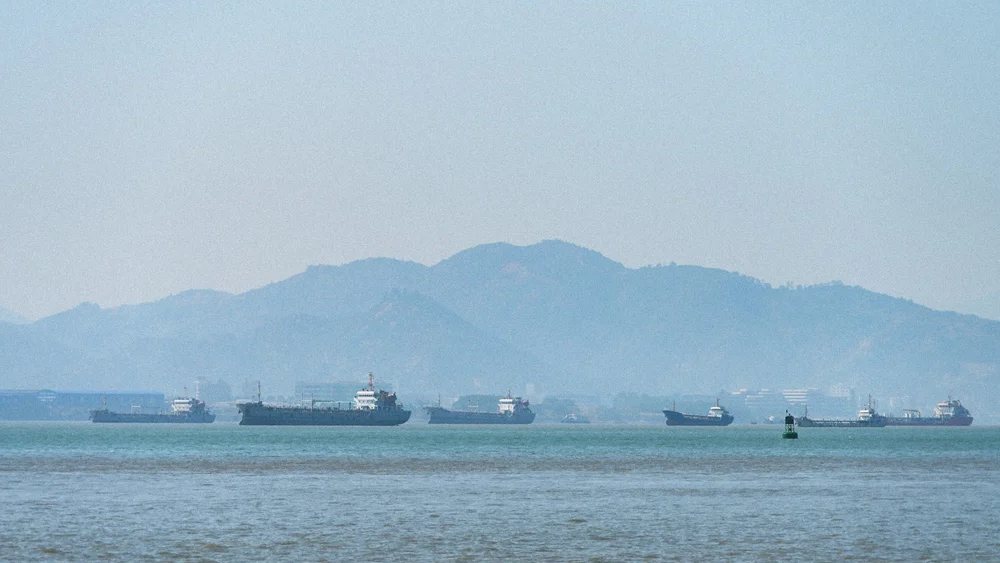
Strait of Hormuz shipping traffic rose to its highest monthly level since July in October, supported by stronger dry-bulk and LNG movements despite a decline in VLCC traffic and mounting regional threats, S&P Global…
Strait of Hormuz shipping traffic rose to its highest monthly level since July in October, supported by stronger dry-bulk and LNG movements despite a decline in VLCC traffic and mounting regional threats, S&P Global Commodities at Sea(opens in a new tab) data showed Nov. 2.
The rise came amid an “increasingly volatile” operating environment at Hormuz and the Bab al-Mandab Strait, with “reported projectile strikes, vessel fires and other security incidents” throughout October, CAS said.
While Iranian aerial attacks continue to threaten shipping through the Strait of Hormuz, mine collision incidents also remain a threat to vessels traversing the chokepoint, as “there’s no confirmation that there are not mines in the region,” Dominguez added.
“I cannot guarantee that it’s safe. That’s why we are not recommending anyone to go through the Strait of Hormuz, and I keep saying for the ships to stay away from it,” Dominguez said during a press conference.
This story was originally published by Hellenic Shipping News. Read the full story at Hellenic Shipping News →
Conversation