
Microsoft, Workday, and the Hidden Fragility of the Digital Supply Chain
On Friday, November 13, one of the world’s largest container shipping companies offered customers a remarkably straightforward solution to a sophisticated technology problem: pick up the telephone. In a customer advisory, A.P. Moller–Maersk warned…

On Friday, November 13, one of the world’s largest container shipping companies offered customers a remarkably straightforward solution to a sophisticated technology problem: pick up the telephone. In a customer advisory, A.P. Moller–Maersk warned that the global Microsoft service disruption could delay customer notifications and directed urgent inquiries to local offices by phone. The company emphasized that the disruption originated with Microsoft, not its own internal systems.
That distinction matters. A logistics provider can have functioning operational systems, available transportation capacity, and sophisticated optimization software while experiencing disruptions in the infrastructure that connects it to customers and trading partners. Application availability and operational continuity are not the same thing.
Later that day, Workday experienced a separate outage that interrupted access to enterprise applications. The San Francisco Chronicle reported that a problem discovered during backup-system testing prompted Workday to take some systems offline for investigation. There is no established connection between the two incidents, but together they raise an uncomfortable question: Have supply chain executives engineered resilience into their physical networks while neglecting the digital infrastructure that coordinates them?
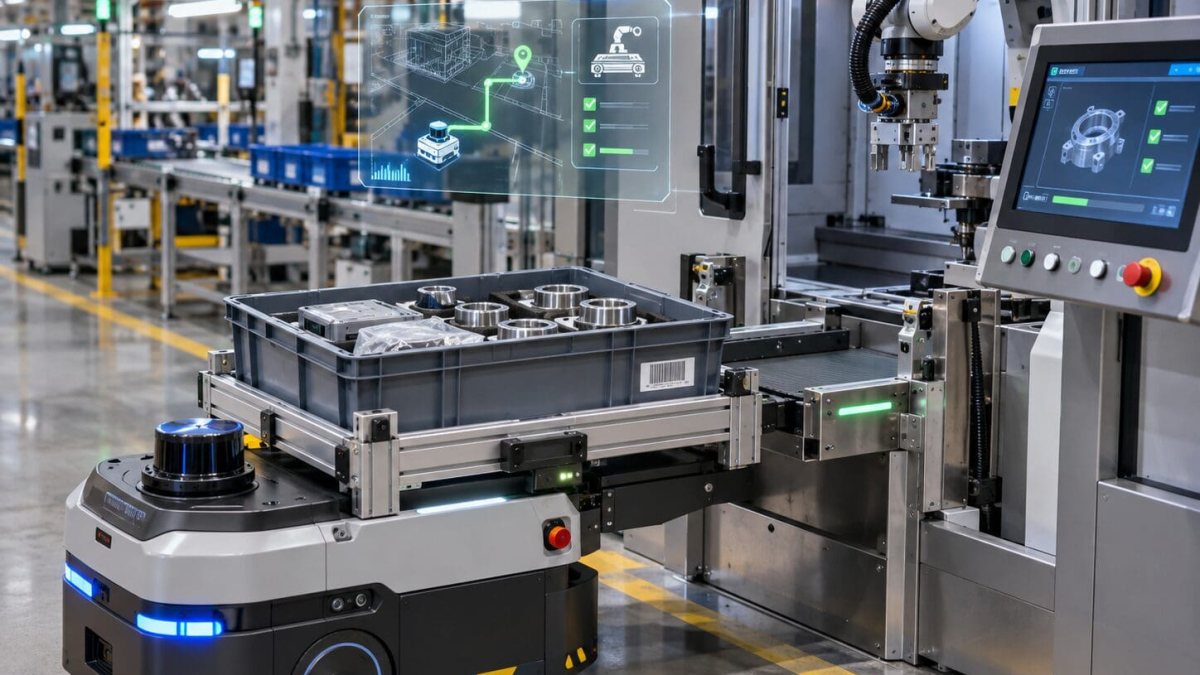
A warehouse management system can remain fully operational while the warehouse itself loses important operating capabilities. Conveyors may continue moving cartons, robots may continue transporting inventory, and workers may continue receiving picking assignments. But the facility is a node in a larger network that depends upon communication, information exchange, authorization, and human judgment.
This story was originally published by Logistics Viewpoints. Read the full story at Logistics Viewpoints →


Conversation