
Rethinking Owned Warehouses as a Capital Allocation Decision
Owning the building a business operates in is a capital allocation decision, not a given.
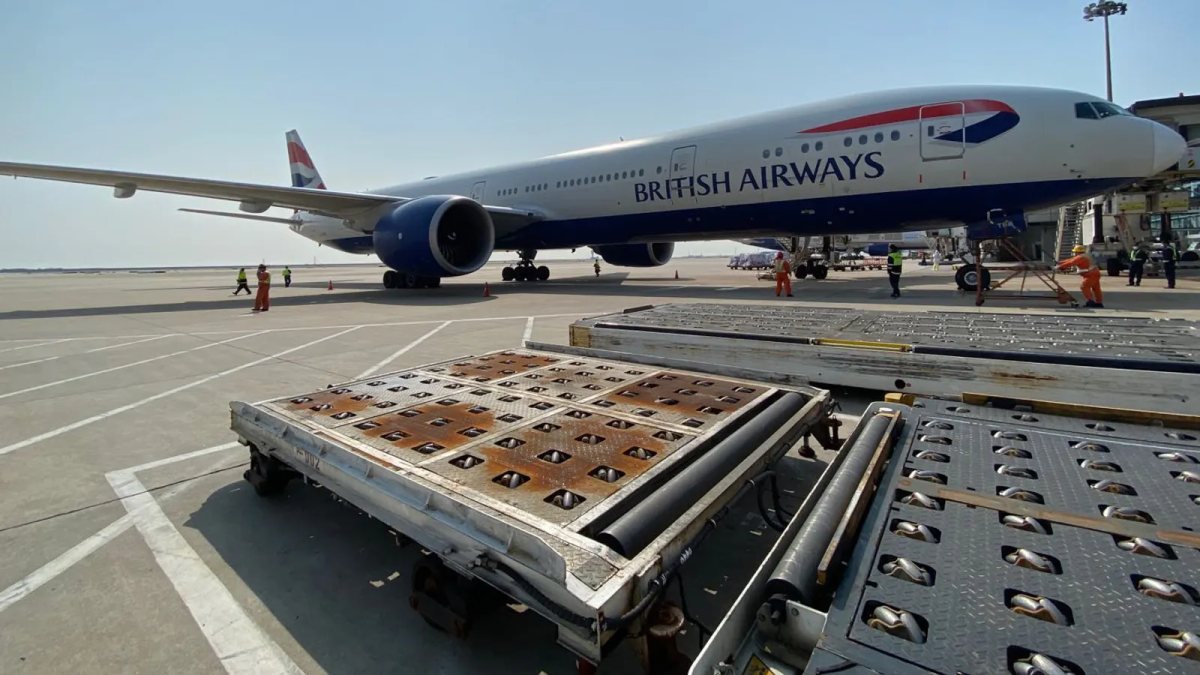
Warehouses and distribution centers are critical components of any supply chain. They can also be a critical source of capital.
The 10-year Treasury is near 5%, its highest level since 2007, and capital is expensive across the board. That makes this a good moment to revisit a lesser-known corporate finance tool that should be in every CFO’s toolkit: the sale leaseback. For companies with owned warehouse and logistics centers, a substantial source of capital may reside in the real estate their business rests upon.
In a sale leaseback transaction, an operating business with owned properties sells its real estate and simultaneously leases it back. The sale of the property unlocks capital and can create a more efficient capital structure.
The sale leaseback market remains active, recording 178 transactions in the second quarter of 2026, the highest second-quarter count since 2022, while dollar volume rose approximately 27% from the first quarter to $4.6 billion. Industrial properties accounted for 42% of transactions by count, indicating warehouse owners have a receptive market for their real estate.
This story was originally published by SupplyChainBrain. Read the full story at SupplyChainBrain →
Conversation