
Rising Q3 transportation costs squeeze manufacturers, reward railroads and reshape trade
Higher fuel costs and freight rates are pressuring supply chains, but produce varied consequences.
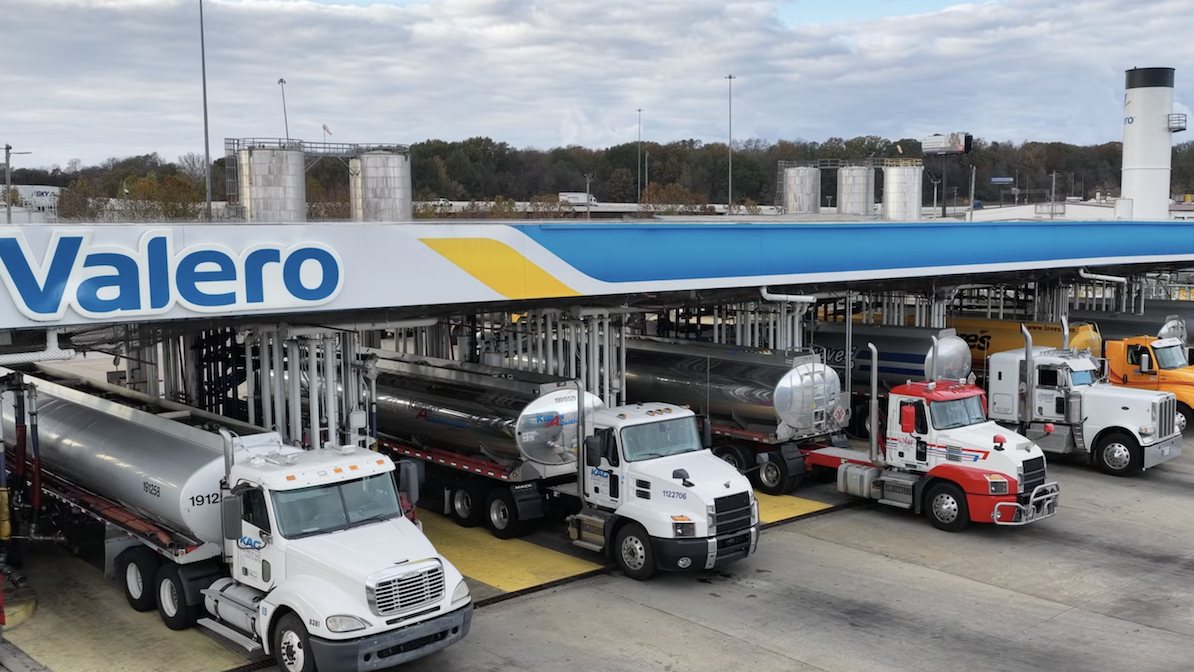
Rising fuel prices and freight rates are putting pressure on corporate supply chains, but sharply with different consequences: Higher costs for automakers, a competitive opening for railroads and an unexpected advantage for some U.S. oil refiners.
Comments from seven executives at Ford (NYSE: F), Union Pacific (NYSE: UNP), XPO (NYSE: XPO) and Valero (NYSE: VLO) during the latest third-quarter earnings season show why transportation inflation is much more than who pays more for diesel. The effect also depends on how far a company ships, which transport networks it controls and whether its competitors face an even steeper freight bill.
At Ford, Chief Financial Officer Sherry Ann House drew a distinction between the cost of moving vehicles and customers’ willingness to buy them.
“Higher fuel prices are impacting our freight and energy costs. But notably, we are not seeing it impact customer demand for trucks and fleet vehicles at this point,” House said on the company’s earnings call.
This story was originally published by FreightWaves. Read the full story at FreightWaves →

Conversation