
Smoother Low-Speed Sailing Through Severely Choppy Water
Evolving innovation promises to enhance ride smoothness of ferry vessels that sail through severely choppy water at many locations internationally. In...
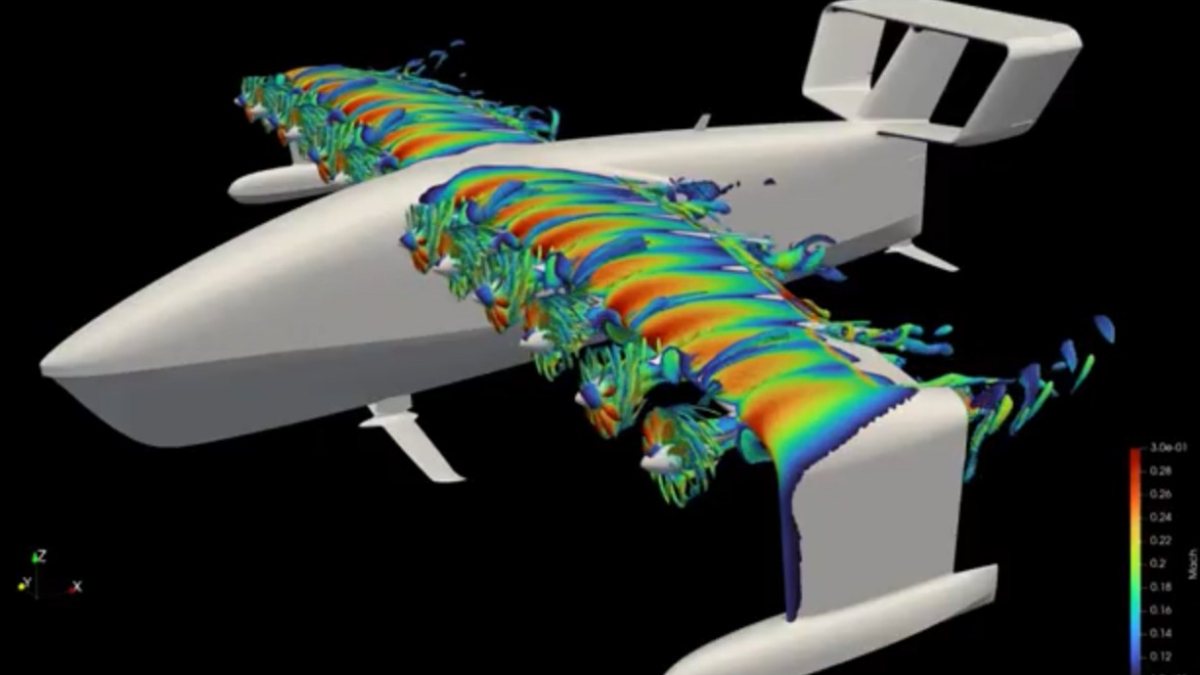
Evolving innovation promises to enhance ride smoothness of ferry vessels that sail through severely choppy water at many locations internationally. Innovations that originate in aeronautical wing design to improve low-speed flight capability are applicable to hydrofoil innovation required to lift vessel hulls above water at low sailing speed. Such innovation would allow larger vessels to sail through shallow waterways, with potential reduction in propulsive power requirements.
Ferry vessels provide essential services in many regions internationally, often sailing across bodies of choppy water that are prone to heavy swells and waves. Such sea conditions often result in service cancellations or delayed departures. Hydrofoils installed under ferry vessels to raise the hull above water require high engine power to accelerate vessels to higher speed, to achieve a smooth ride when sailing through choppy water. Hydrofoil configuration often duplicated the cross-sectional profile of aeronautical wings on a much smaller scale, combining a curved upper surface with a flat under surface.
Seawater has 850 times the density of air, allowing the equivalent of a small-scale model aircraft built into the lower level of the keel of hydrofoil surfboards to carry the combined weight of surfer and board. Surfers have commented about smoother sailing through choppy water. Adapting advances in aeronautical wing design that enhance low-speed flight to hydrofoil design promises to enhance ride characteristics of ferry vessels that need to raise hulls above choppy water at low sailing speed. Such advances promise to reduce service cancellations and delayed departures due to adverse sea conditions.
This story was originally published by The Maritime Executive. Read the full story at The Maritime Executive →

Conversation